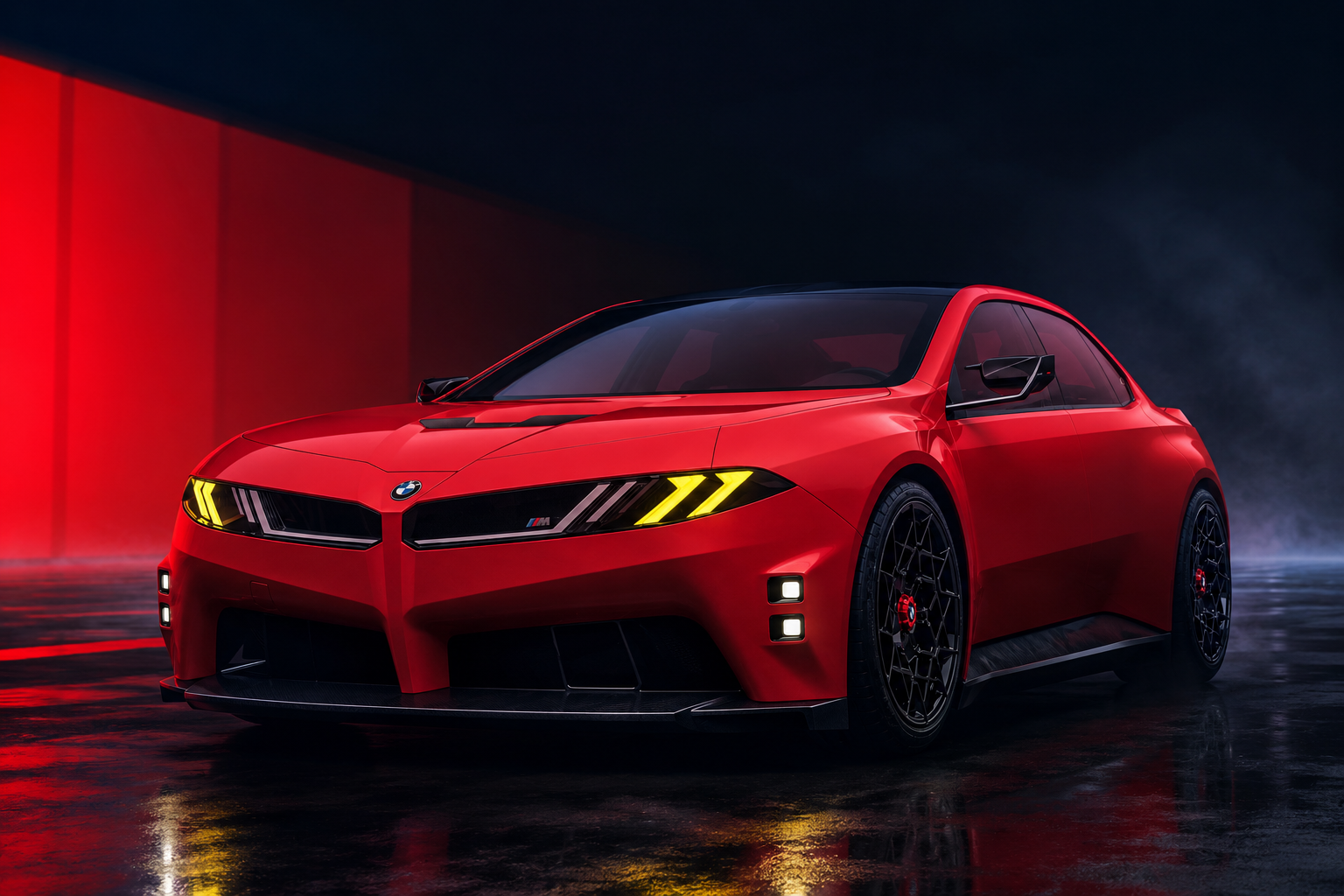
BMW M Concept Neue Klasse: Four Motors, One Name — and the Electric M3 We’ve Been Waiting For
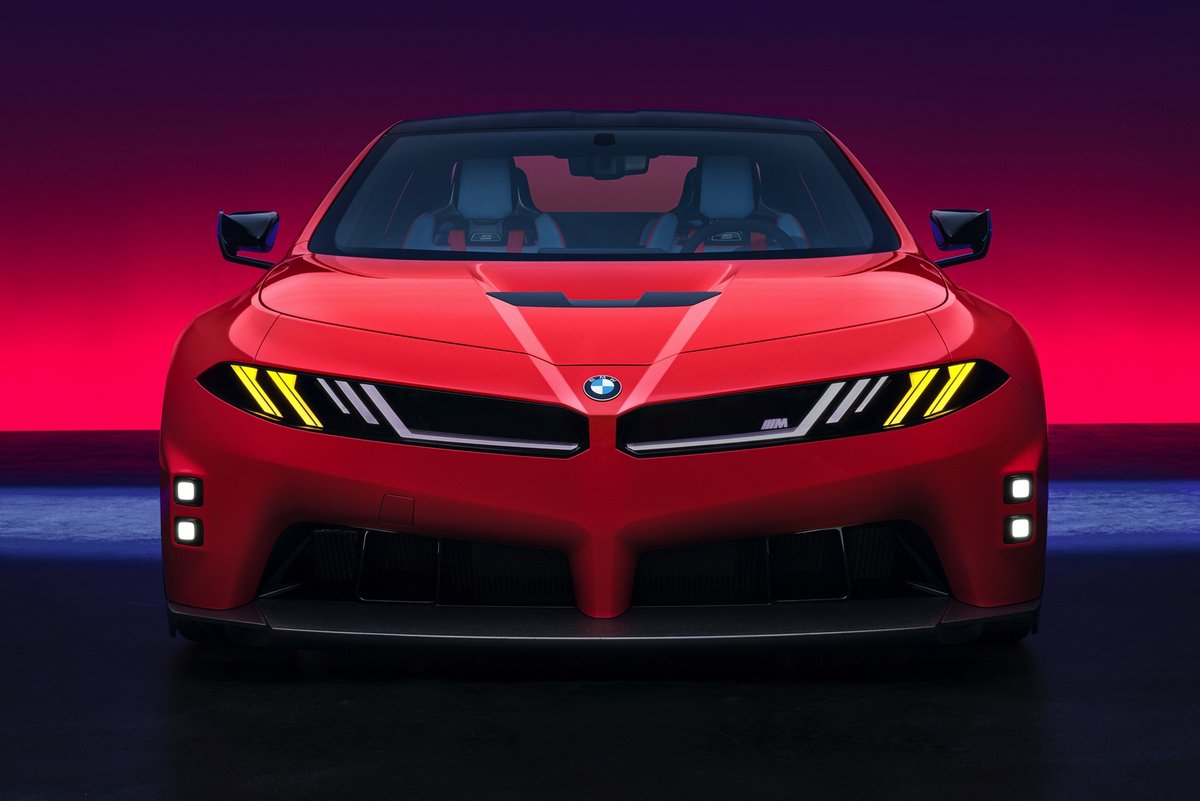
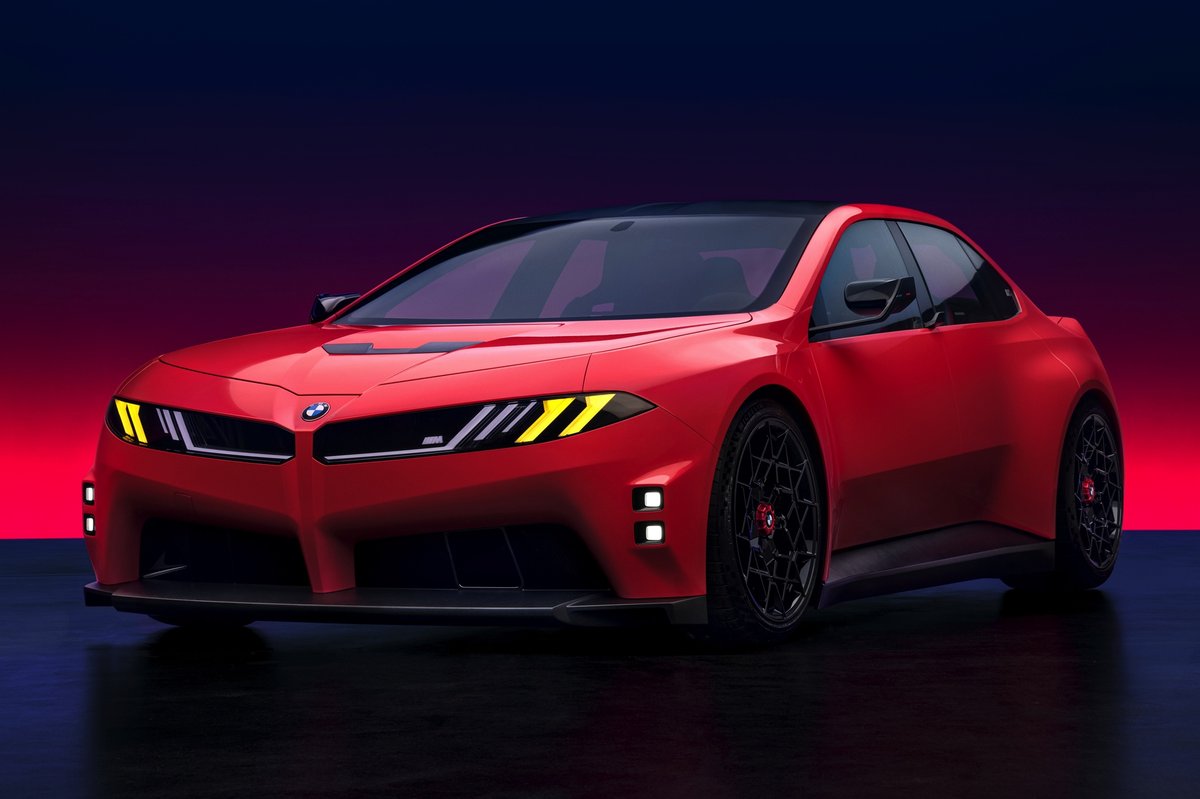
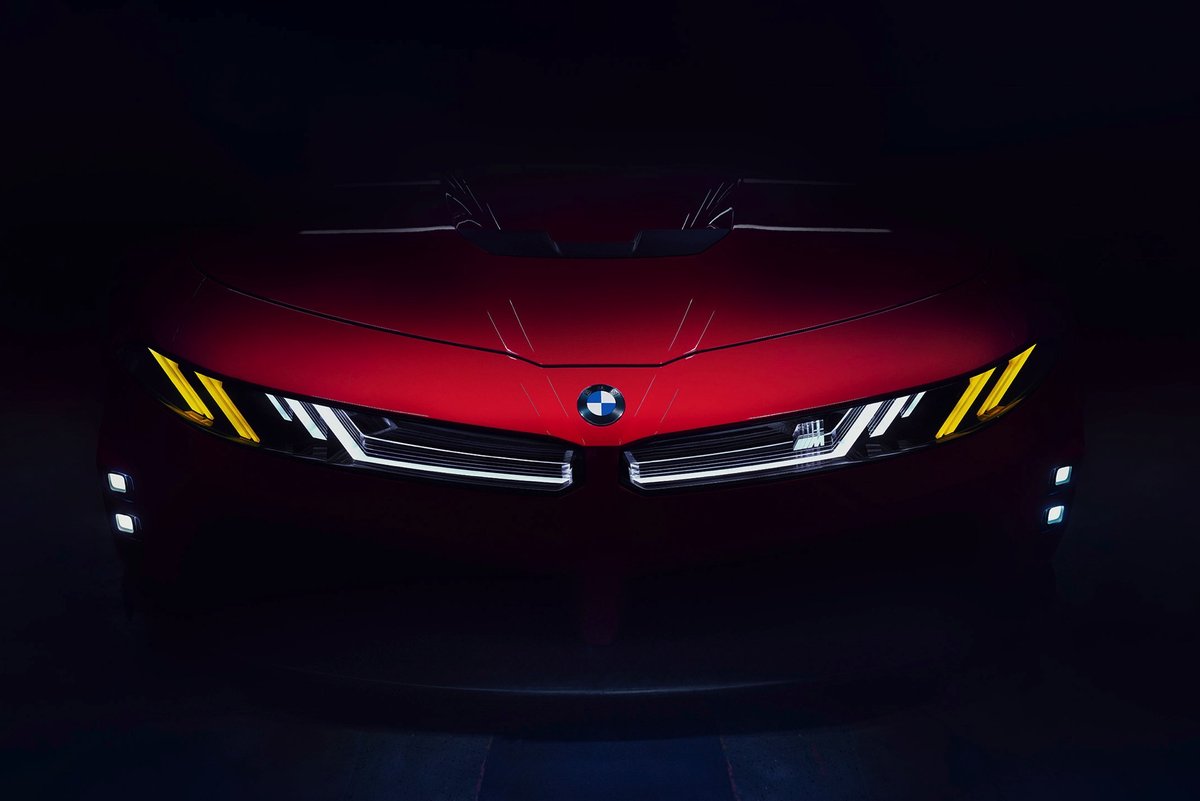
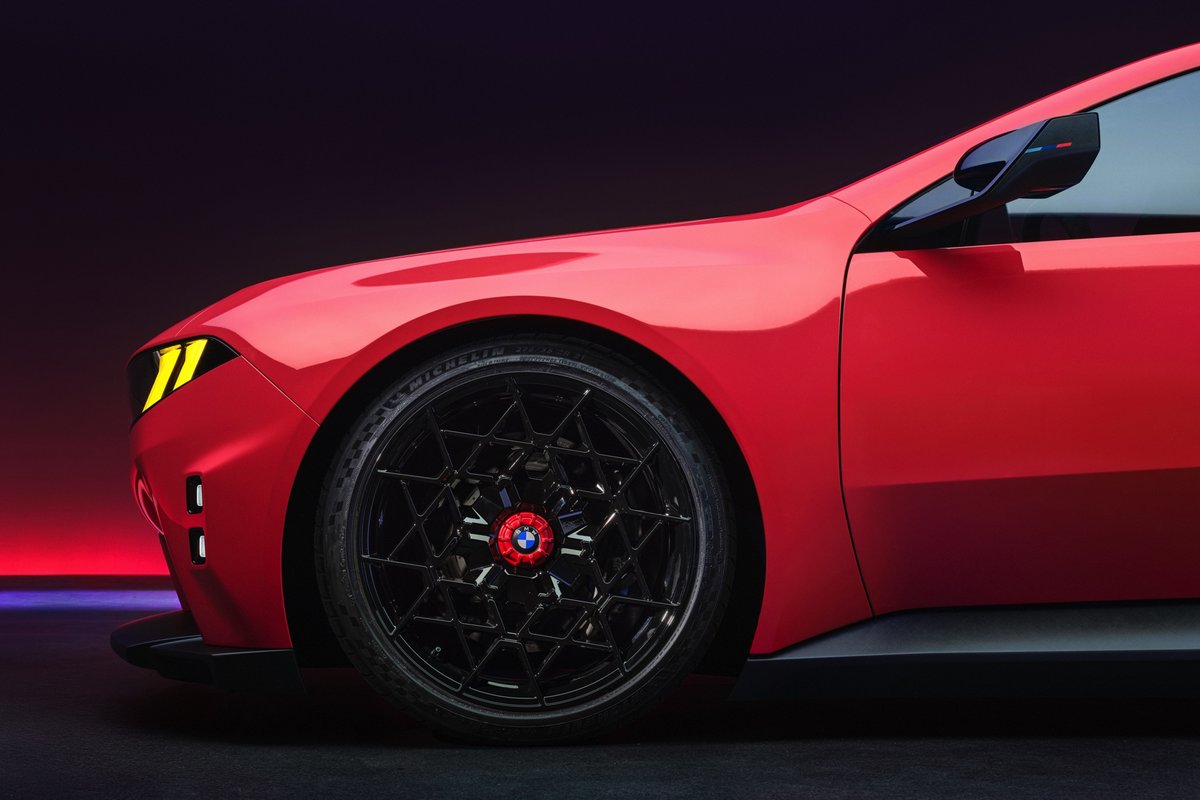
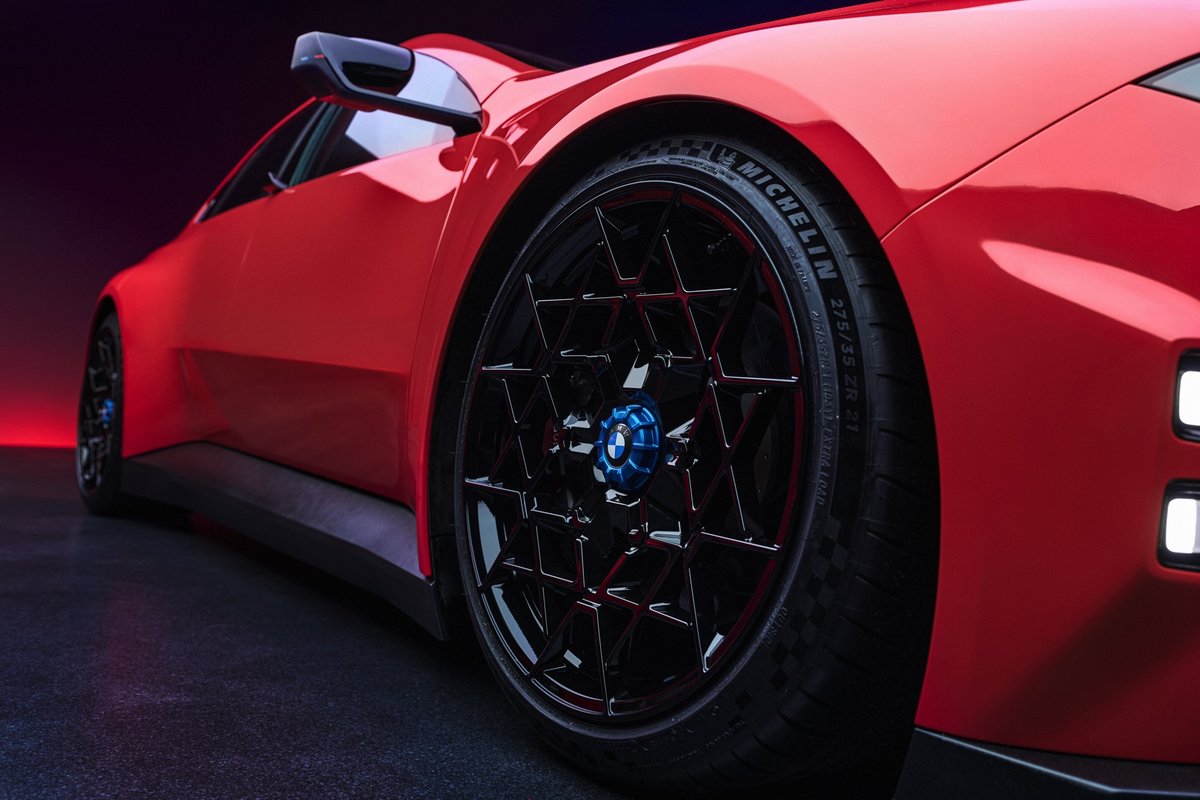
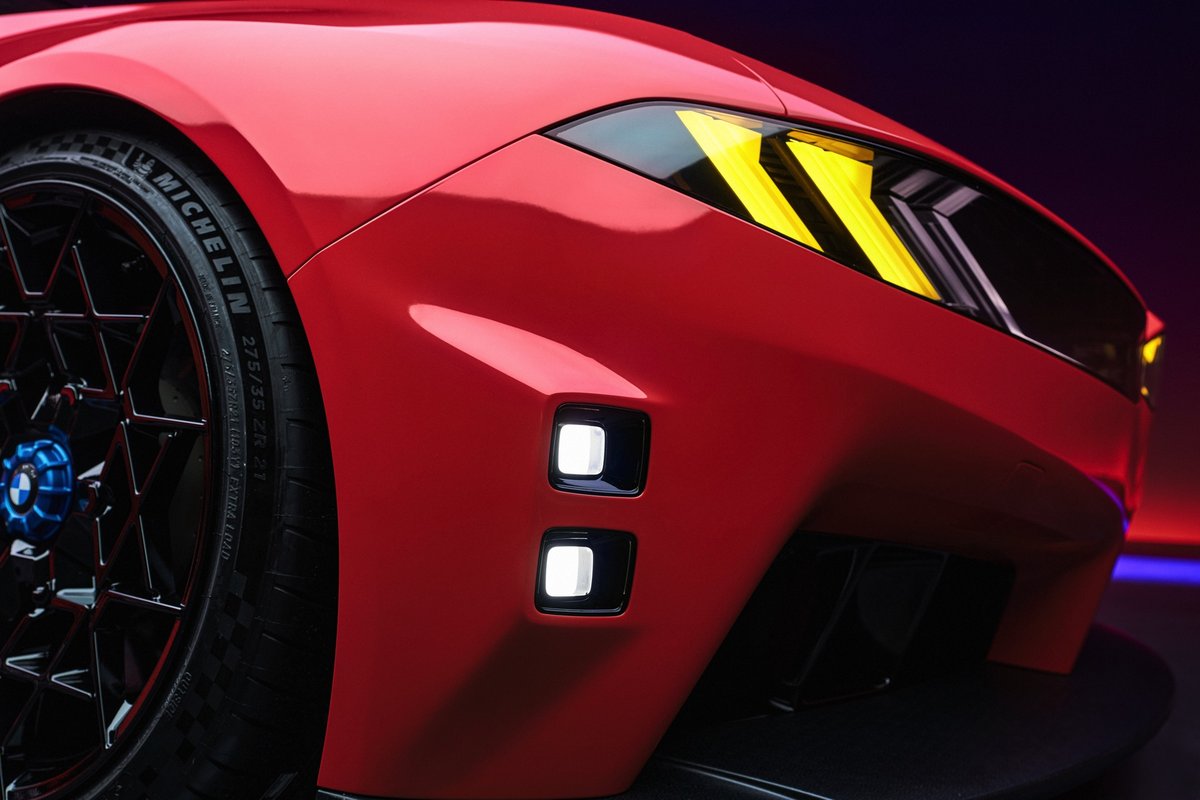
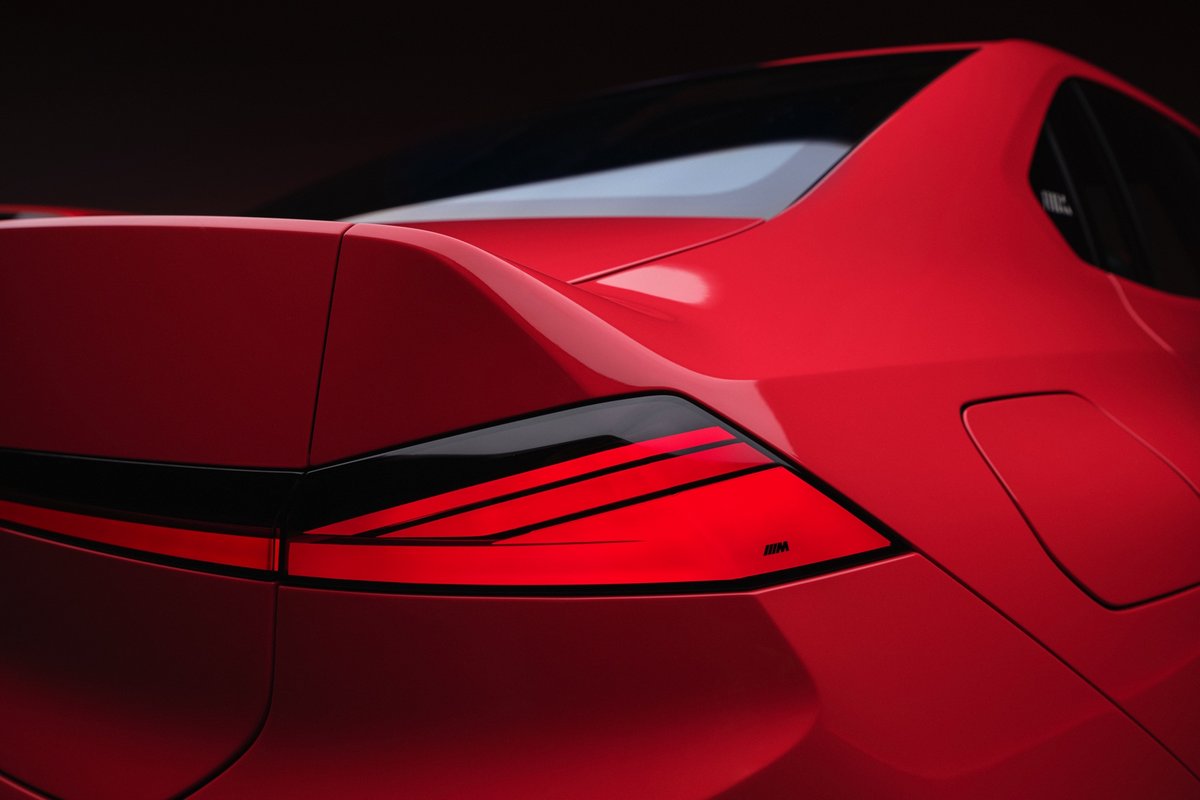
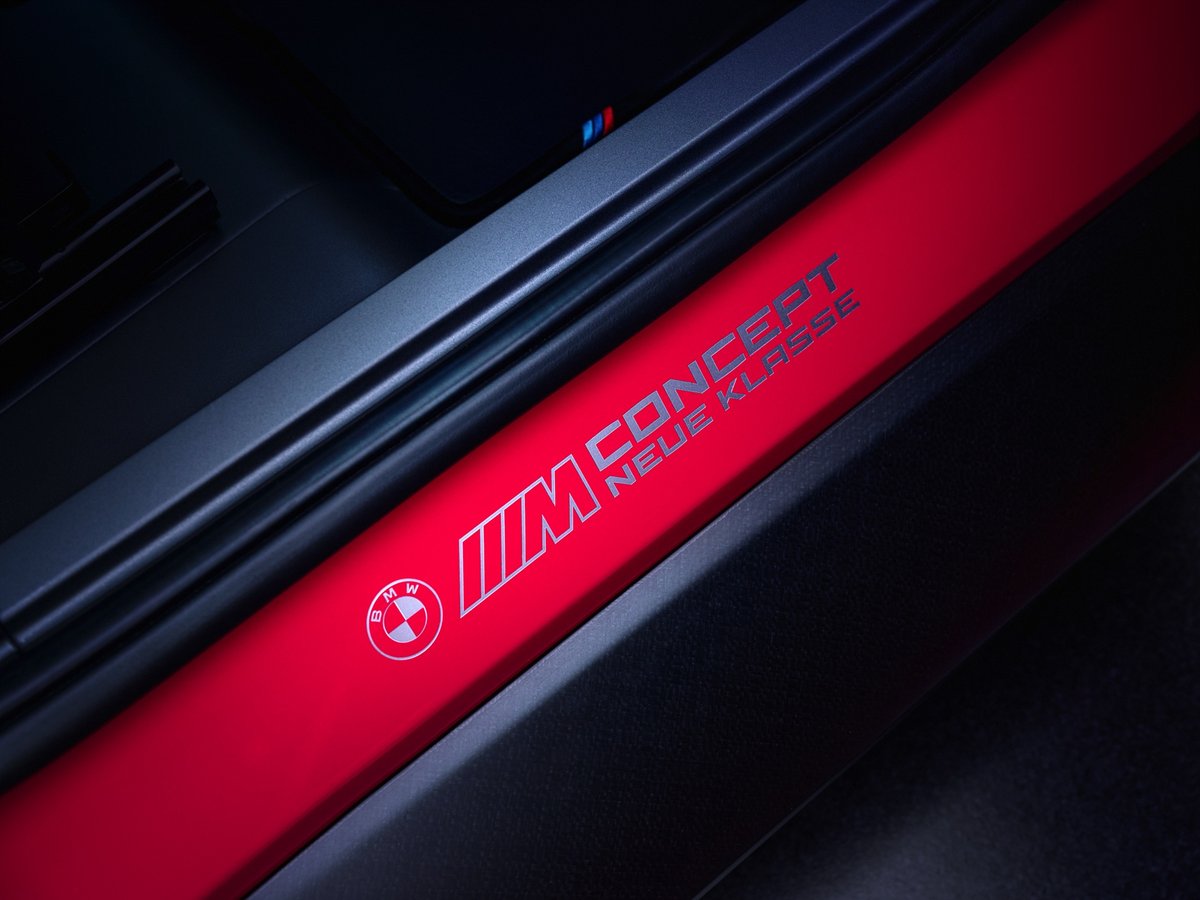
LE MANS, France — The location is no coincidence. At the 24 Hours of Le Mans, BMW M has done more than just unveil another design study. It has revealed the clearest, most realistic preview of the upcoming all‑electric BMW M3 — officially called the BMW M Concept Neue Klasse and known internally as the ZA0.
Call it a concept, but don’t be fooled. What you see is remarkably close to production. According to BMW, this is not a fantasy. It is the nearest possible look at an electric M3 that is set to arrive in 2027 — and it looks ready to attack a racetrack tomorrow.
Four Motors, One “Heart of Joy”
Forget the looks for a moment. The real revolution lies beneath the skin.
BMW M has developed a fully electric all‑wheel‑drive system with four separate electric motors — one for each wheel. Unlike traditional AWD setups where torque is shuffled between axles, here each wheel can be controlled completely independently.
The mastermind behind it all is a central computing unit called the Heart of Joy. Unlike conventional cars where power, braking, and stability control are handled by different systems, this single unit manages:
- individual motor power output;
- regenerative braking;
- torque vectoring (sending torque to one wheel while another coasts);
- and even active aerodynamics.
BMW claims the Heart of Joy processes data significantly faster than any traditional M xDrive system. The result is a car that reacts to road conditions before the driver even registers them.
800 Volts and a Bigger Battery
The M Concept Neue Klasse rides on an 800‑volt electrical architecture — the same foundation that enables both high performance and ultra‑fast charging.
Battery capacity is more than 100 kWh. BMW has not given an exact figure, but that is enough to make even a high‑performance M car genuinely usable for everyday driving and long trips.
The battery cells themselves are next‑generation Neue Klasse units with higher energy density. This allows a low center of gravity without making the car unreasonably heavy — a crucial engineering challenge for any performance EV.
Design: Red, Yellow, and Very Wide
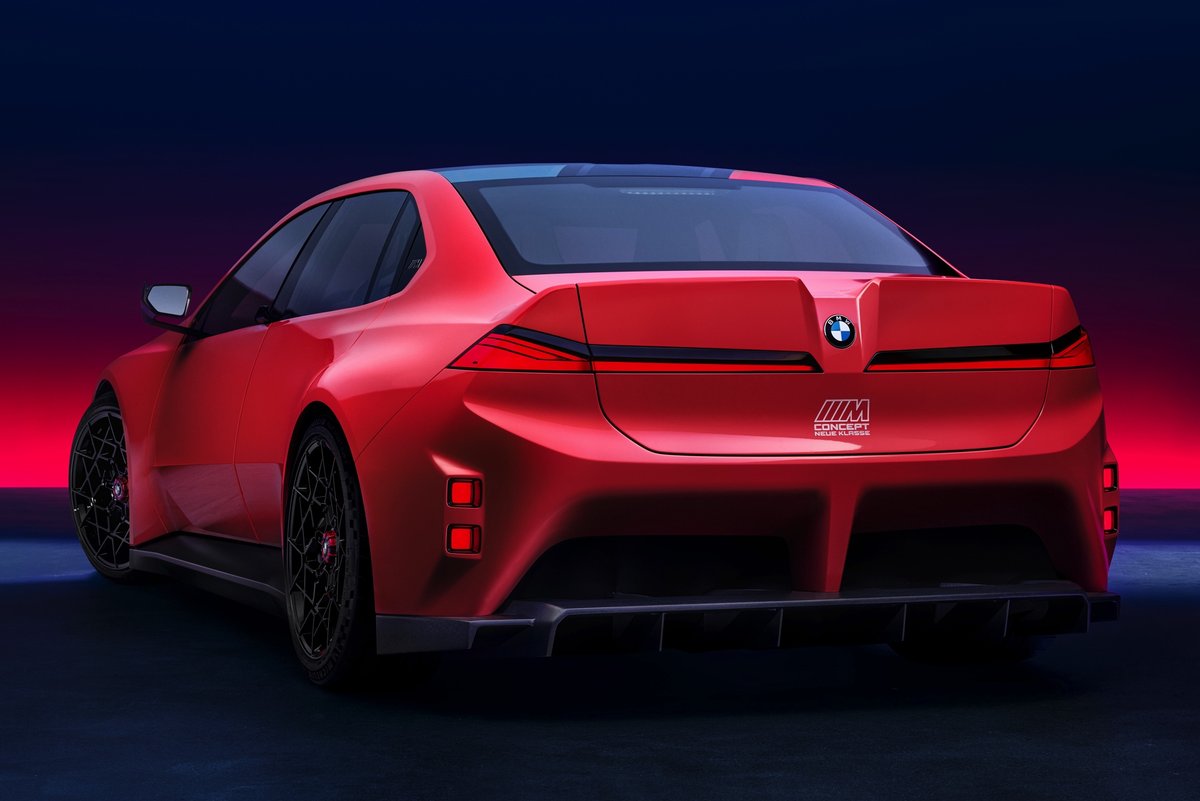
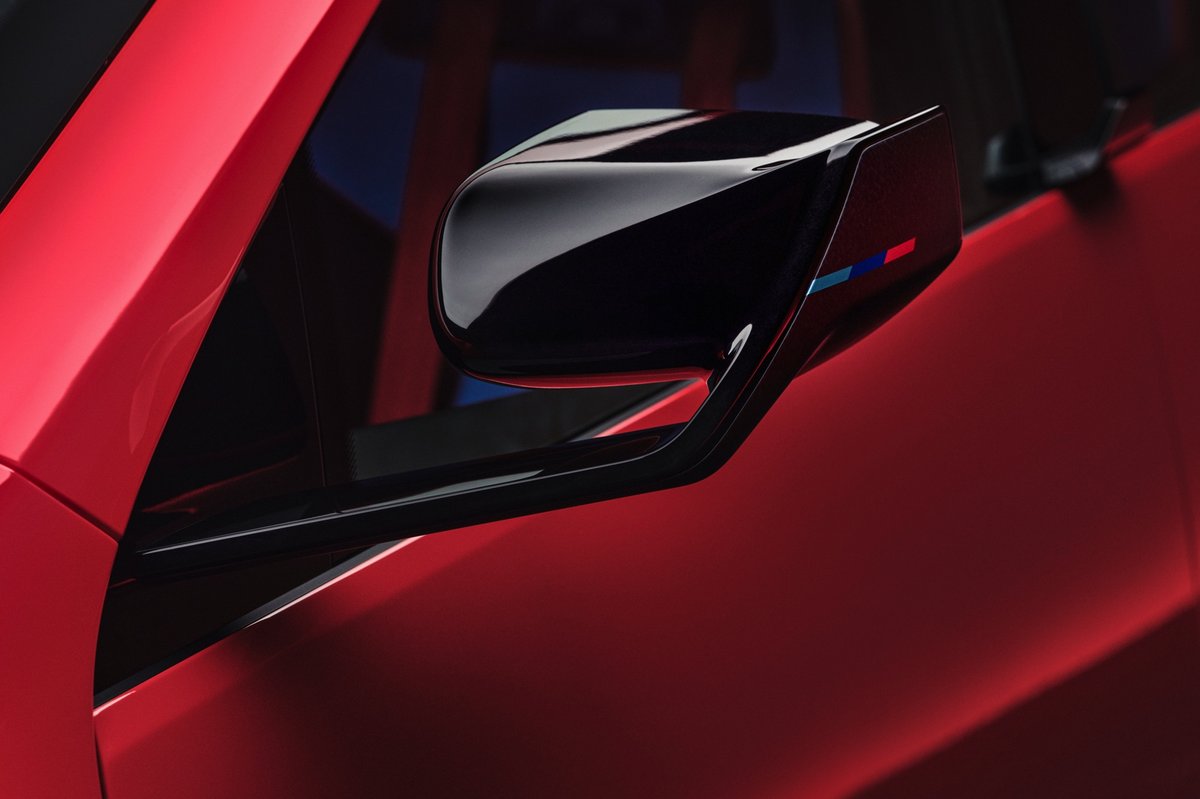
Visually, the M Concept Neue Klasse transforms the regular Neue Klasse sedan into an unmistakable M car.
Key details that stand out:
- dramatically wider fenders compared to the standard i3 Neue Klasse;
- an aggressive front splitter and large rear diffuser — functional aero, not decoration;
- a new signature paint called Monza Red, deep and race‑inspired;
- M Yellow Lights — yellow lighting elements that may become as iconic for electric M cars as blue calipers are for combustion models;
- new Track Lights integrated into the bumpers, emphasizing the car’s width.
Every design cue serves a purpose: this car looks fast because it is engineered to be fast.
Interior: Minimalist, but Muscular
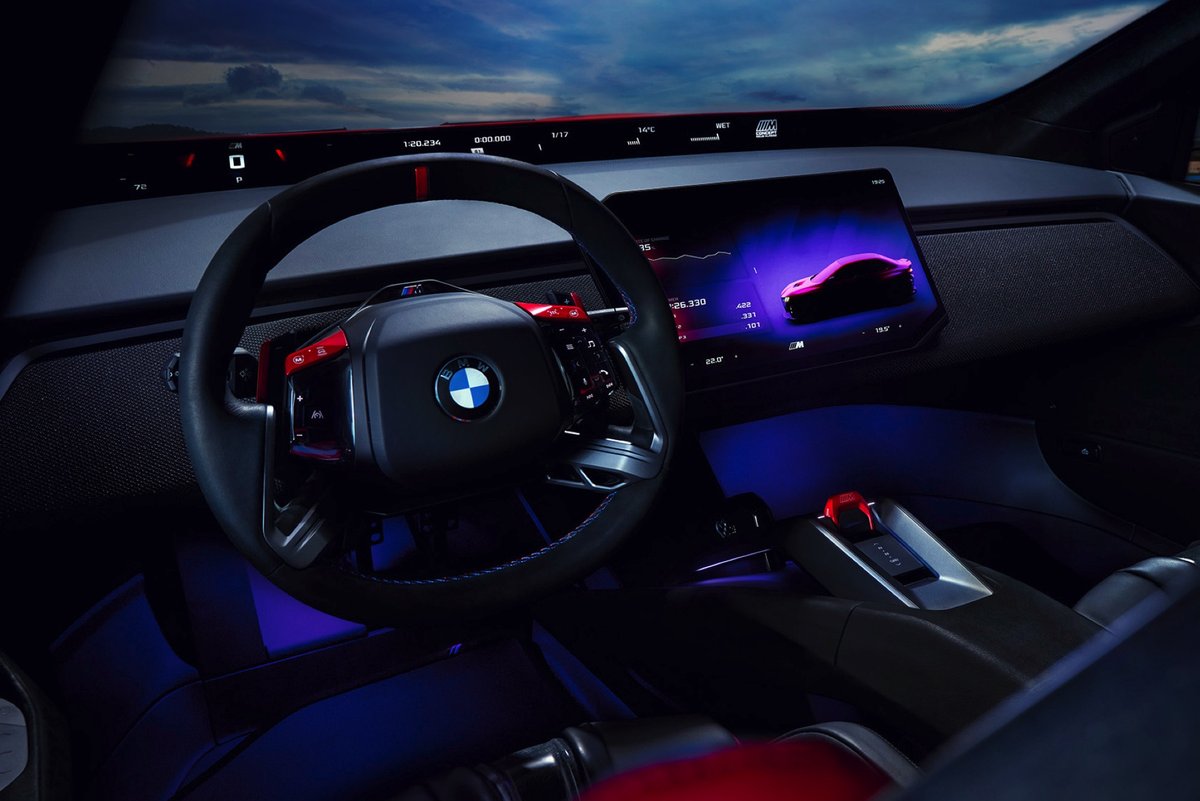
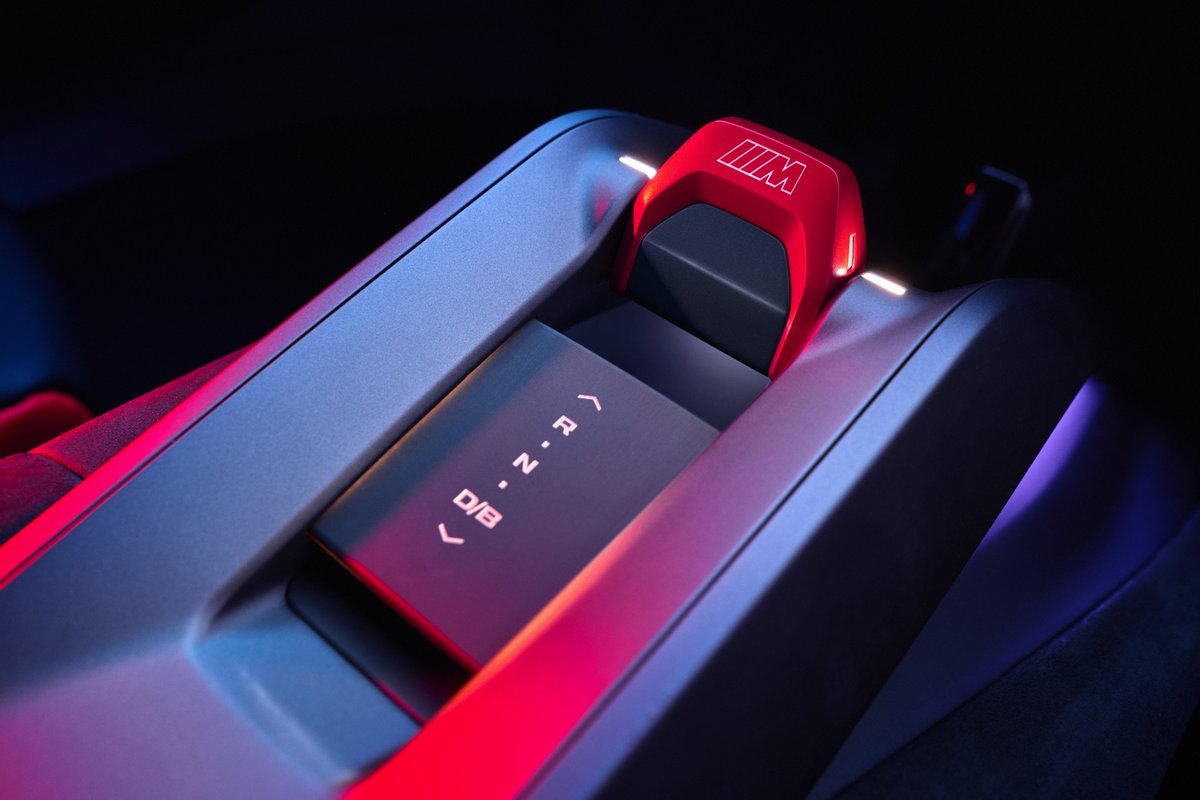
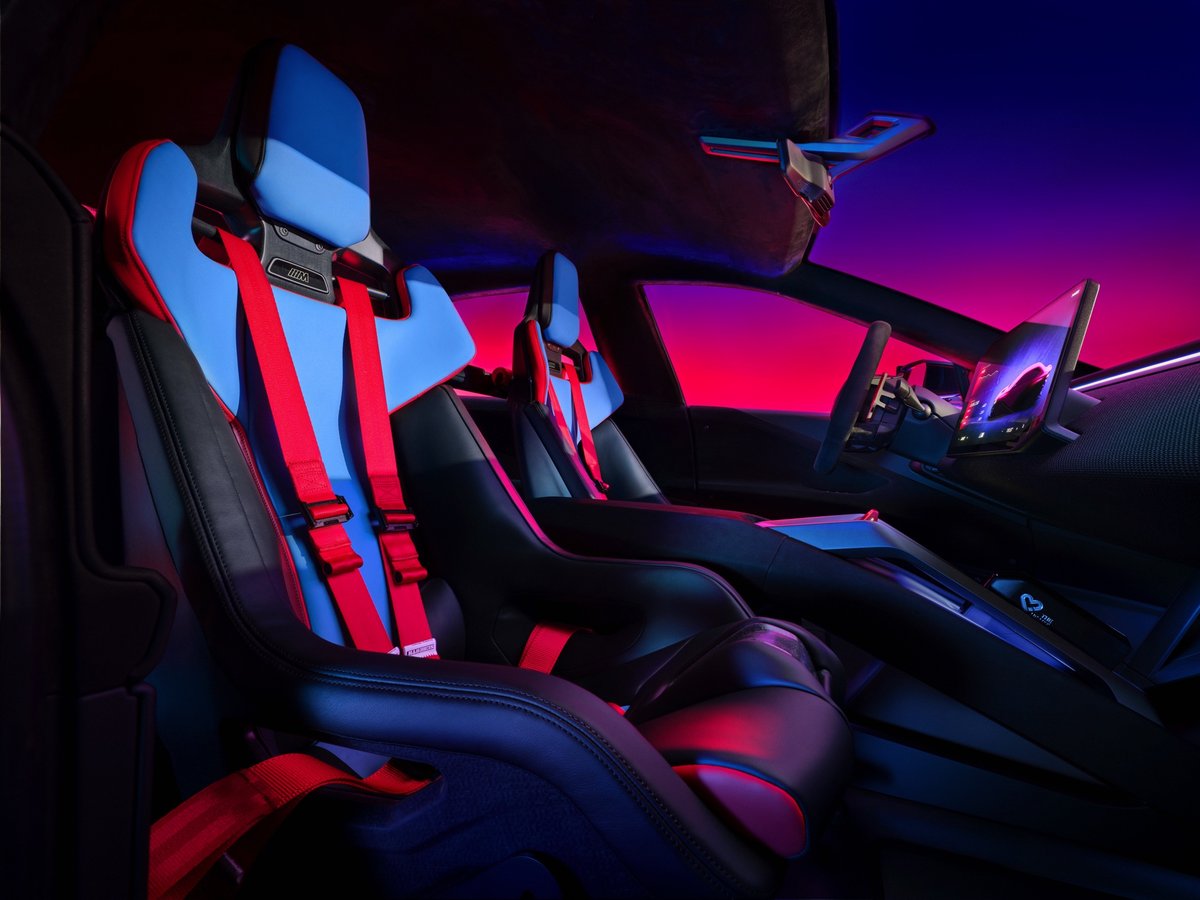
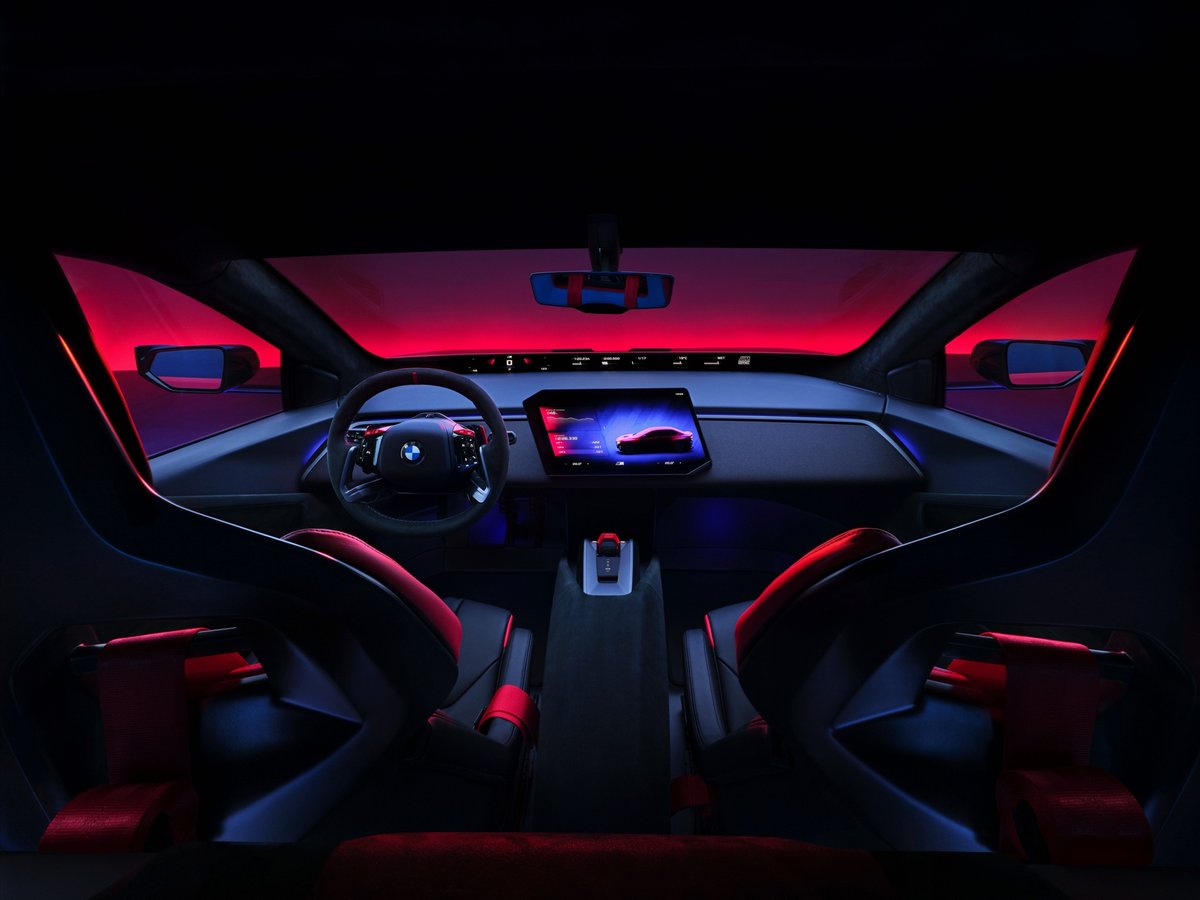
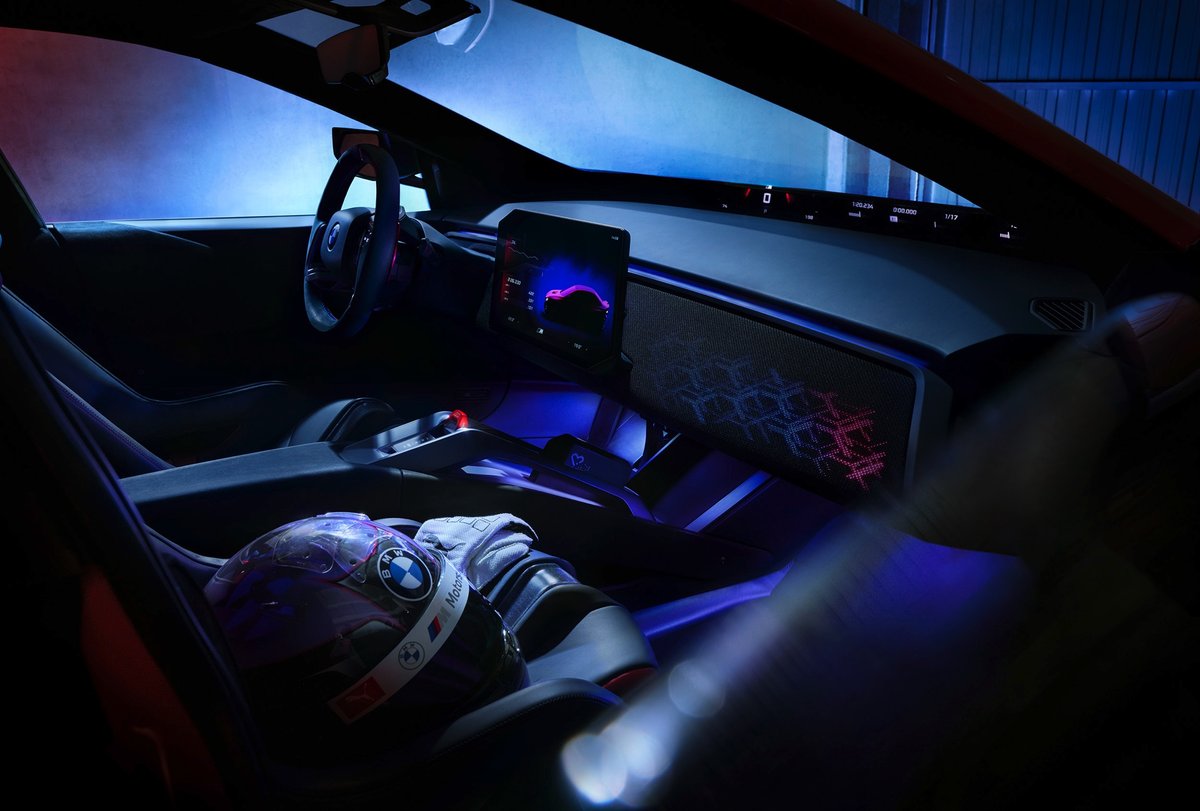
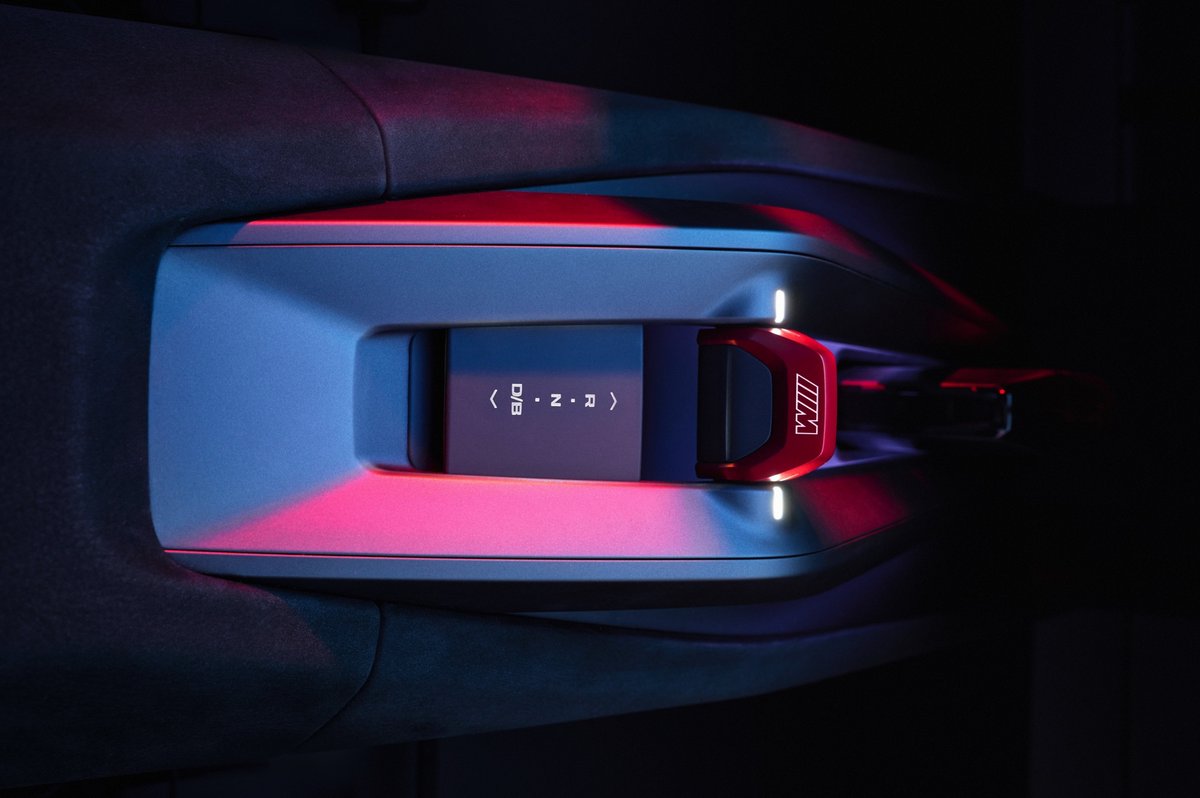
Inside, the Neue Klasse minimalism remains, but with M‑specific muscle.
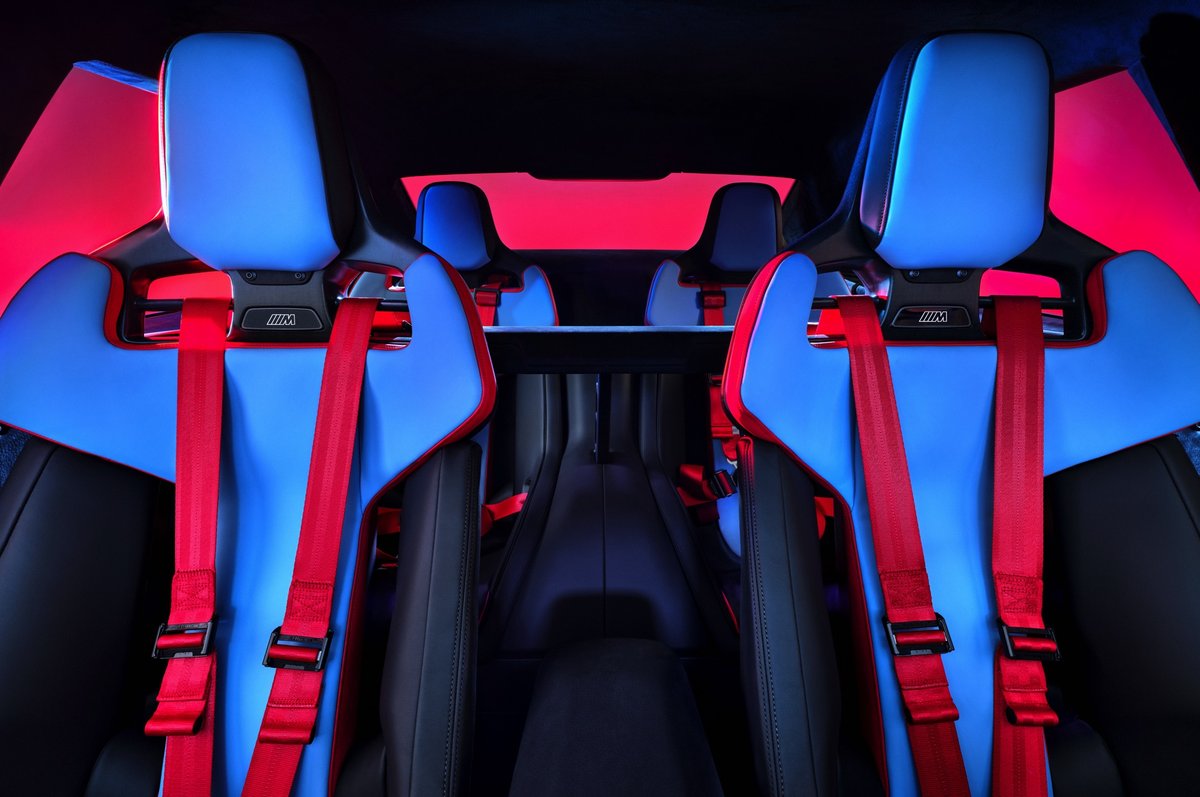
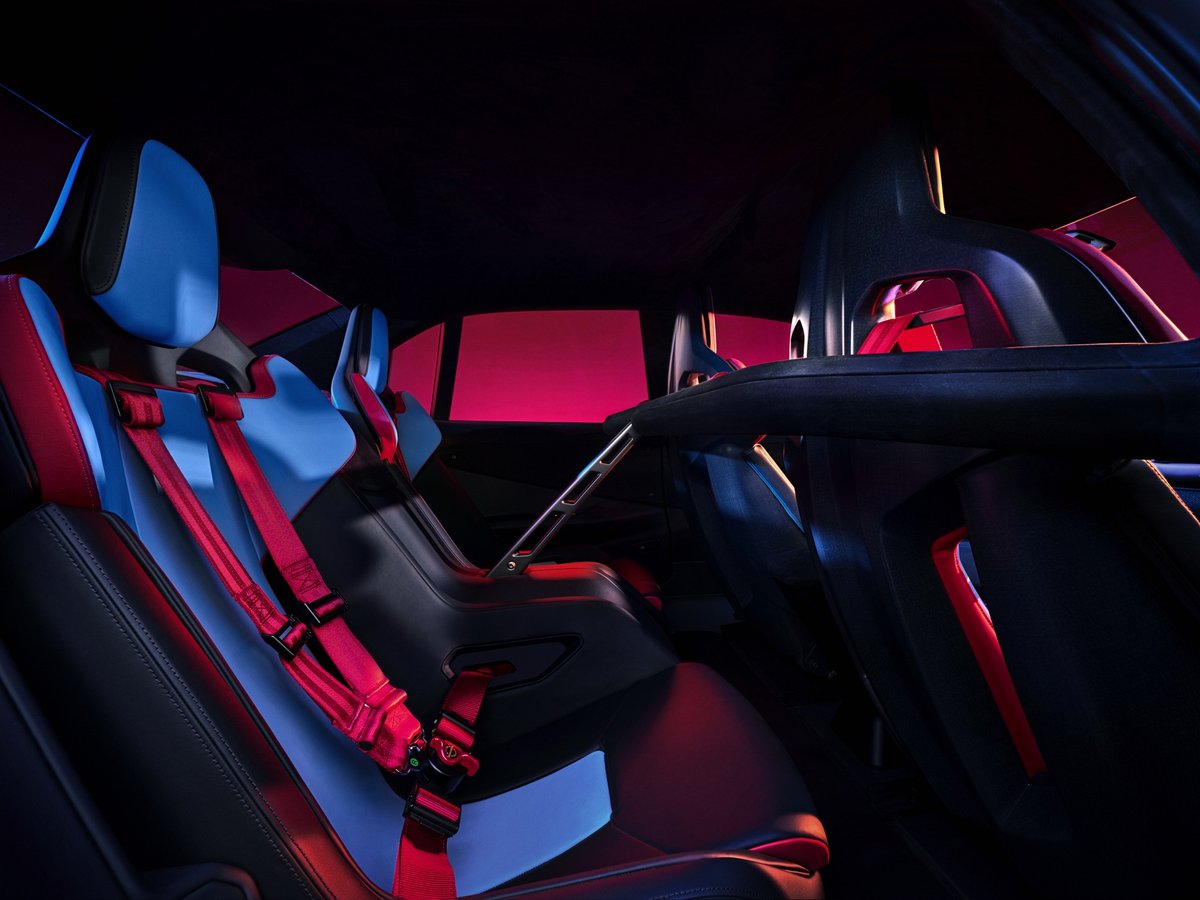
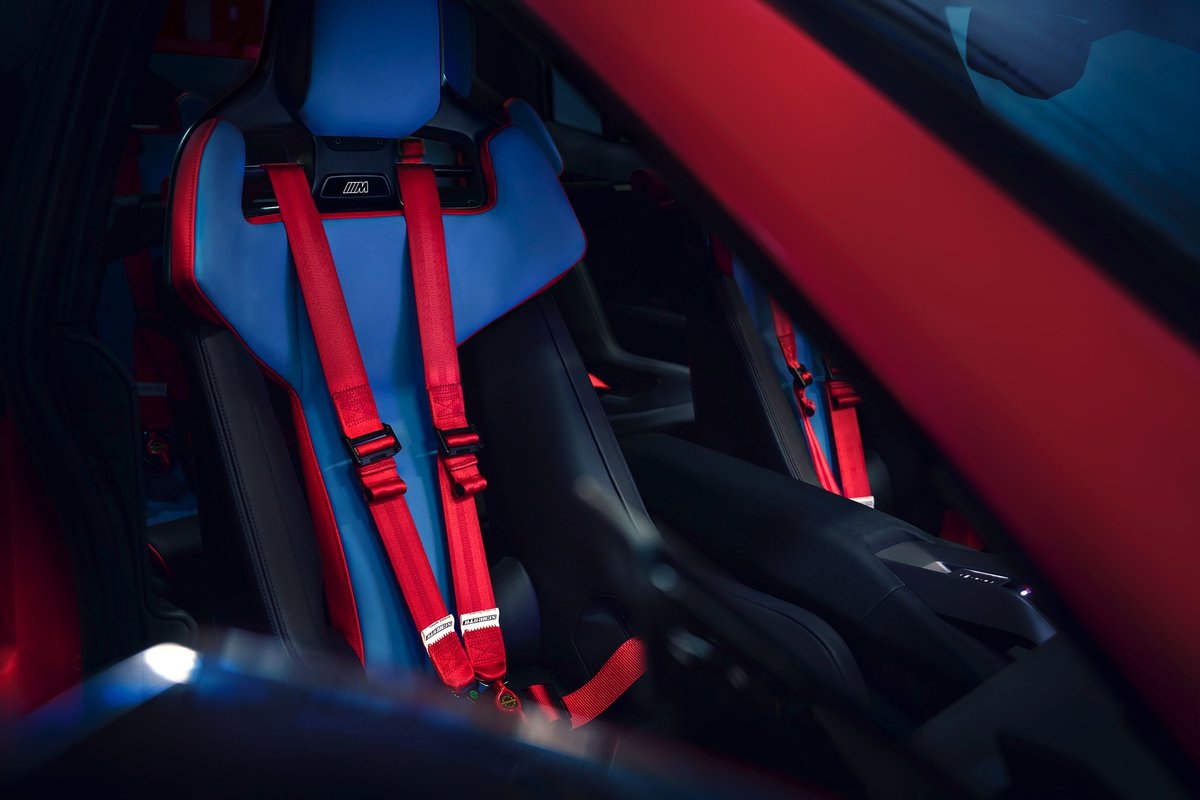
- Deep bucket seats with serious lateral support.
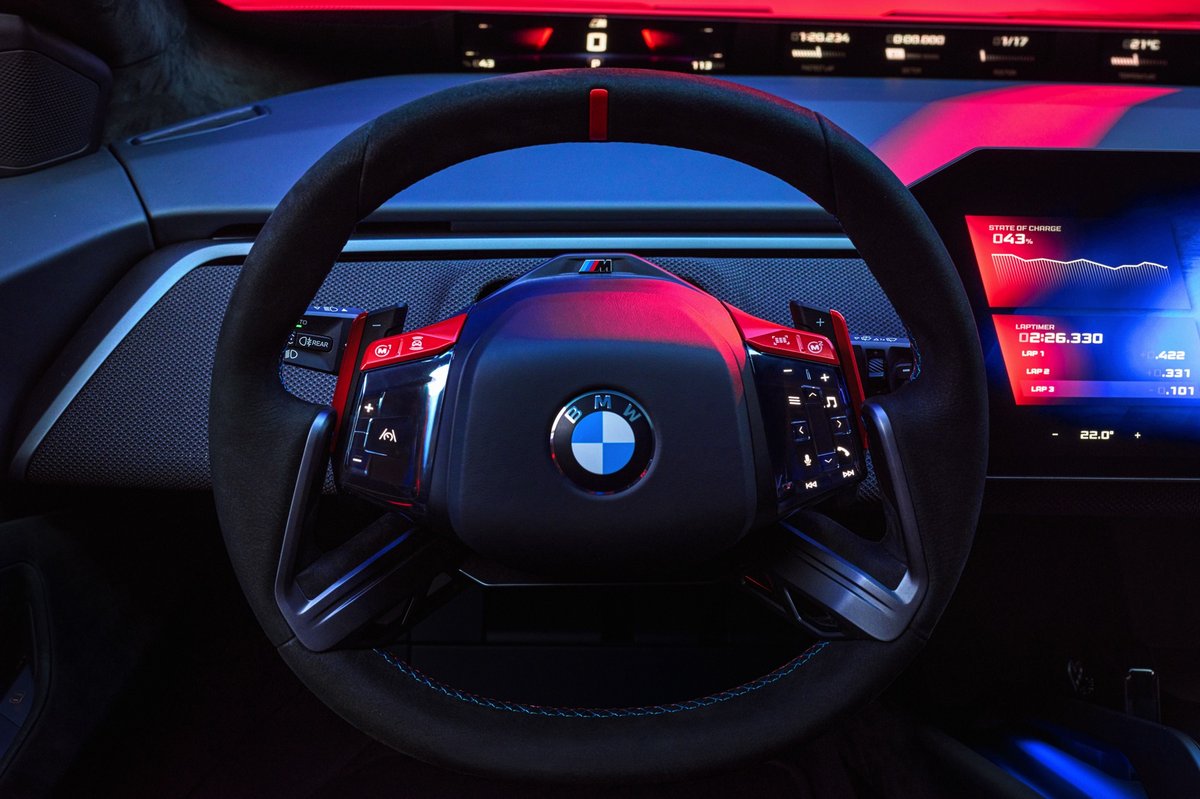
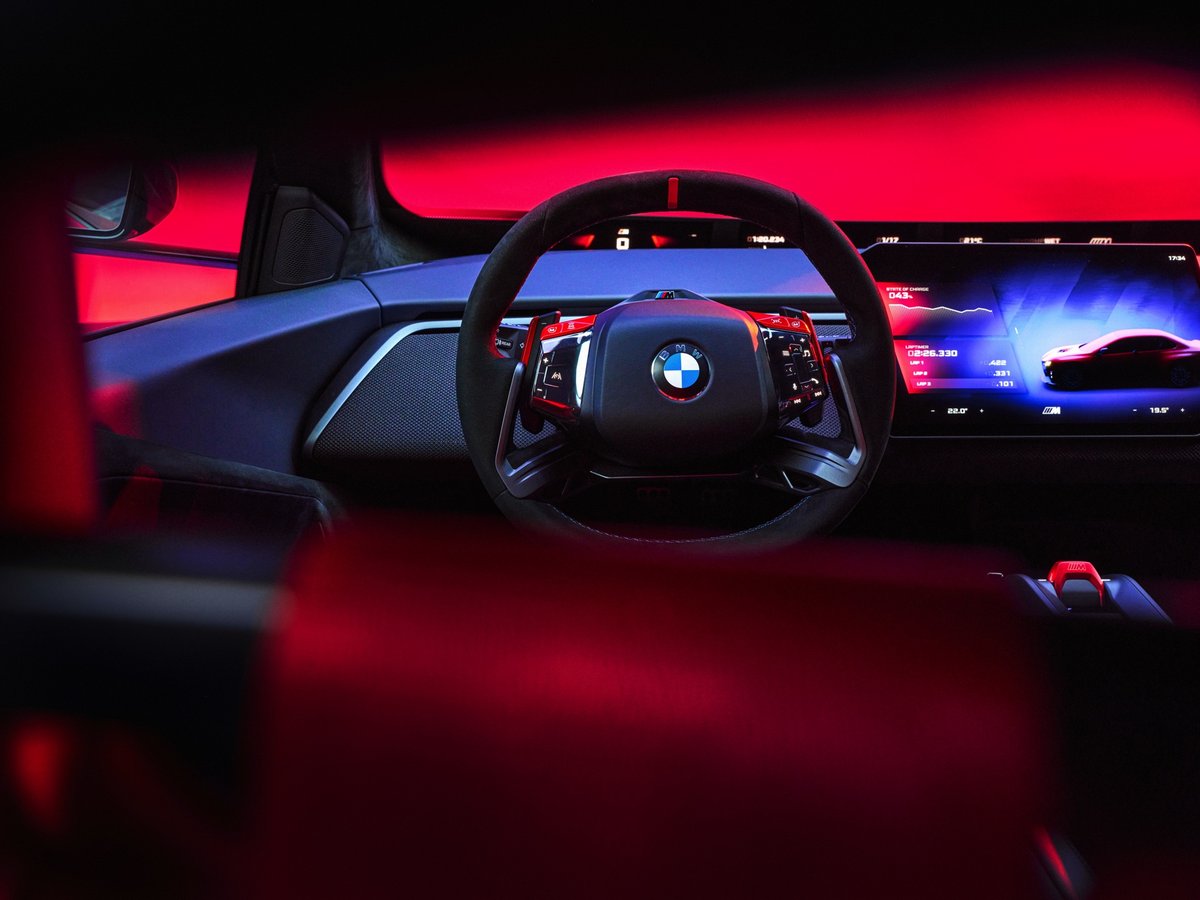
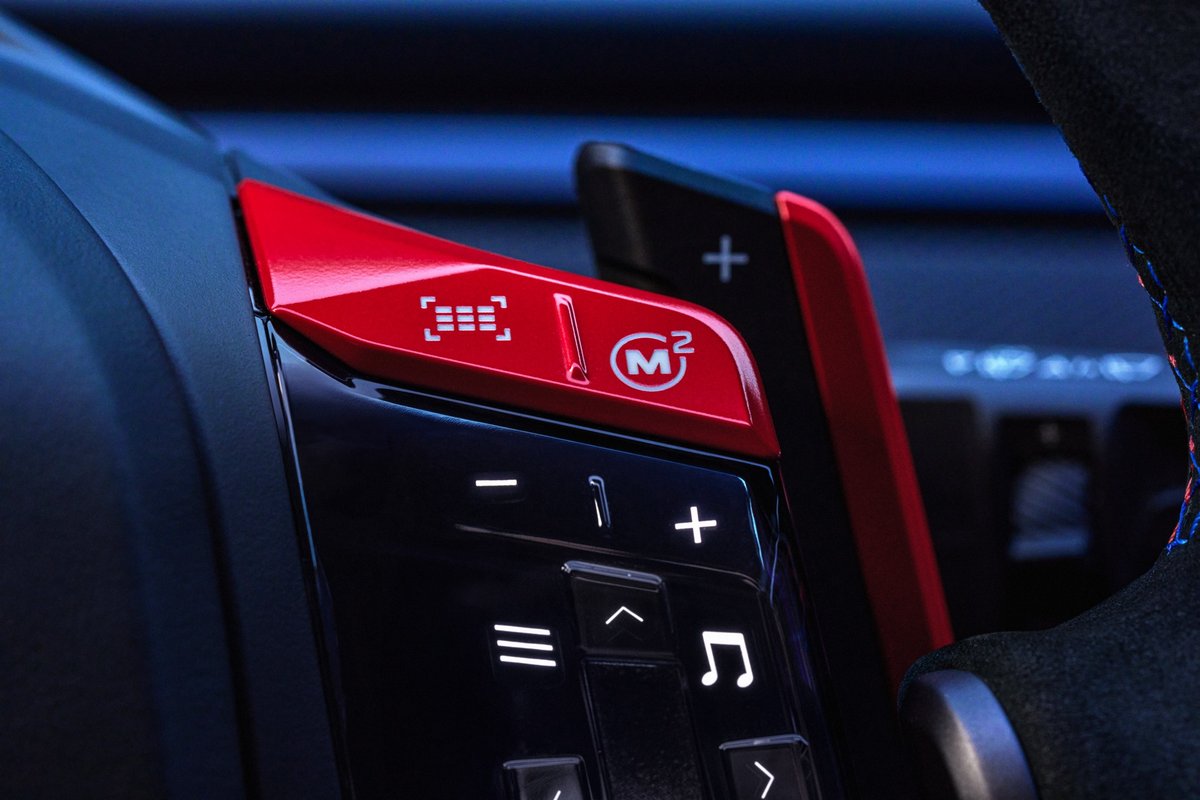
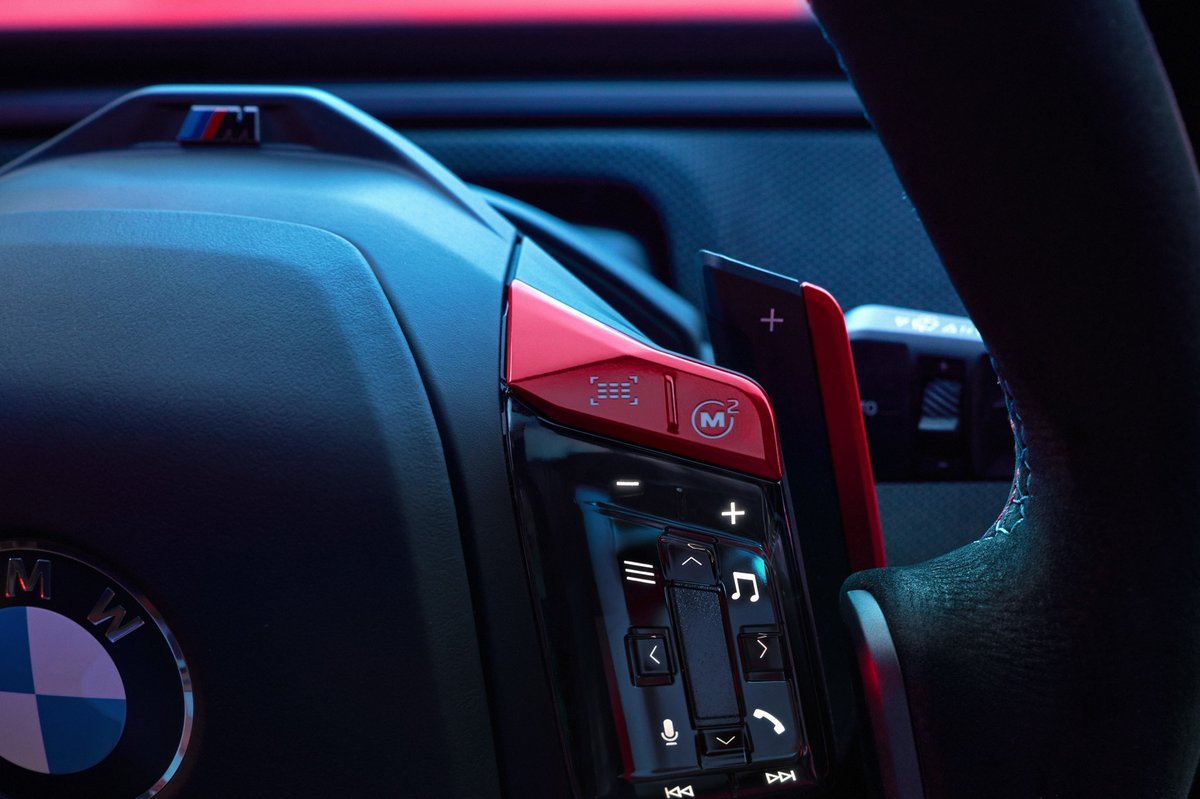
- A new performance steering wheel — likely flat‑bottomed with tactile controls.
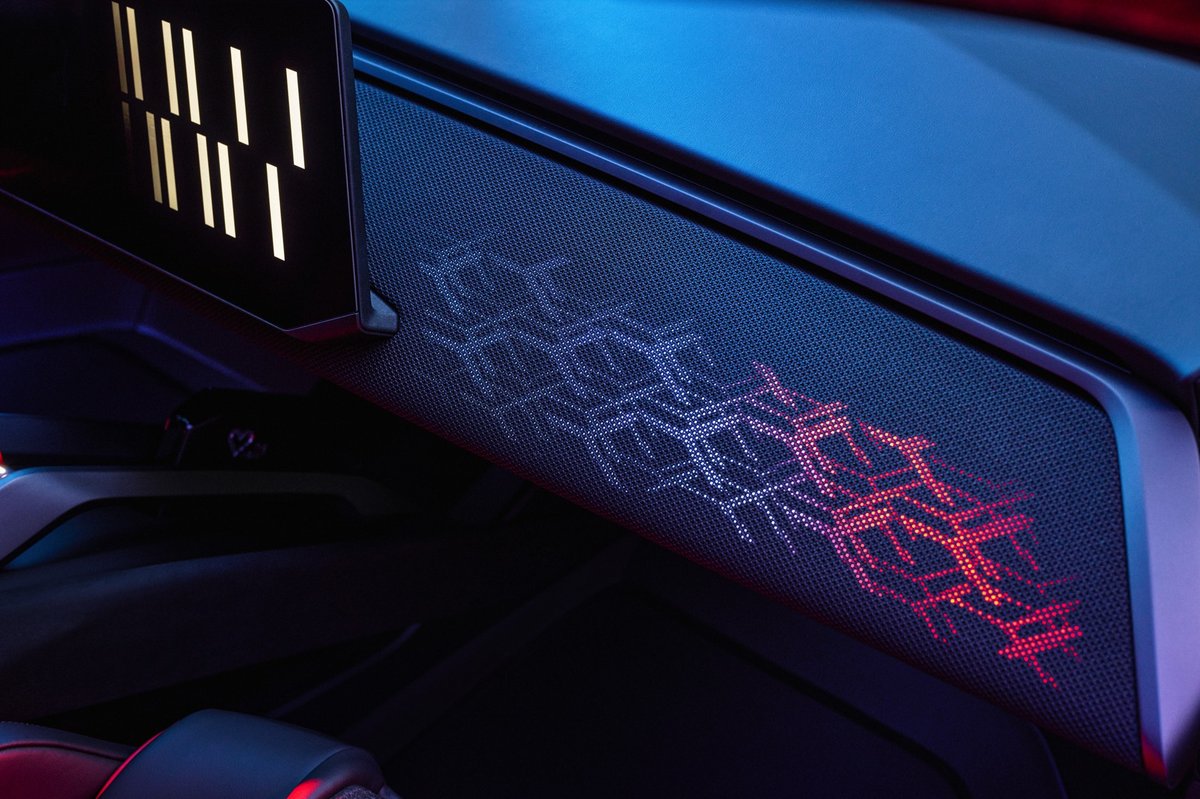
- BMW Panoramic Vision — a projection system that displays information across the full width of the windshield, eliminating traditional instrument housings.
No unnecessary screens. No gimmicks. Just information delivered instantly, without distraction.
Power and Performance: No Official Numbers Yet
BMW has not released official power figures for the production ZA0. However, several facts are already clear:
- A four‑motor setup guarantees combined output well above the current BMW M3 Competition (550 hp).
- 0–100 km/h (0–62 mph) is estimated at around 2.5–2.7 seconds.
- Top speed will likely be electronically limited to 250–280 km/h (155–174 mph), with an optional M Driver’s Package pushing it past 290 km/h (180 mph).
But BMW M insists that straight‑line speed is not the point. The real goal is handling worthy of the M3 badge — balance, steering precision, controllable oversteer, and genuine feedback. Not just a heavy hyper‑sedan with brutal acceleration.
Production Date and Strategy: No Replacement — Coexistence
The production electric BMW M3 (ZA0) is expected to arrive in 2027.
And here is the most important strategic decision: the electric M3 does not replace the combustion M3. BMW has confirmed repeatedly that both versions will be produced in parallel — for as long as regulations and demand allow.
This stands in stark contrast to many competitors. The customer decides: a classic turbocharged straight‑six or four instant‑response electric motors. BMW M simply offers a choice.
The Bottom Line
The BMW M Concept Neue Klasse is not a beauty pageant on wheels. It is a public road map. In 2027, we will see a production car that:
- has four independent electric motors;
- is controlled by the Heart of Joy central super‑computer;
- rides on a modern 800‑volt platform with a >100 kWh battery;
- looks aggressive, functional, and unmistakably M;
- and does not kill the gasoline M3.