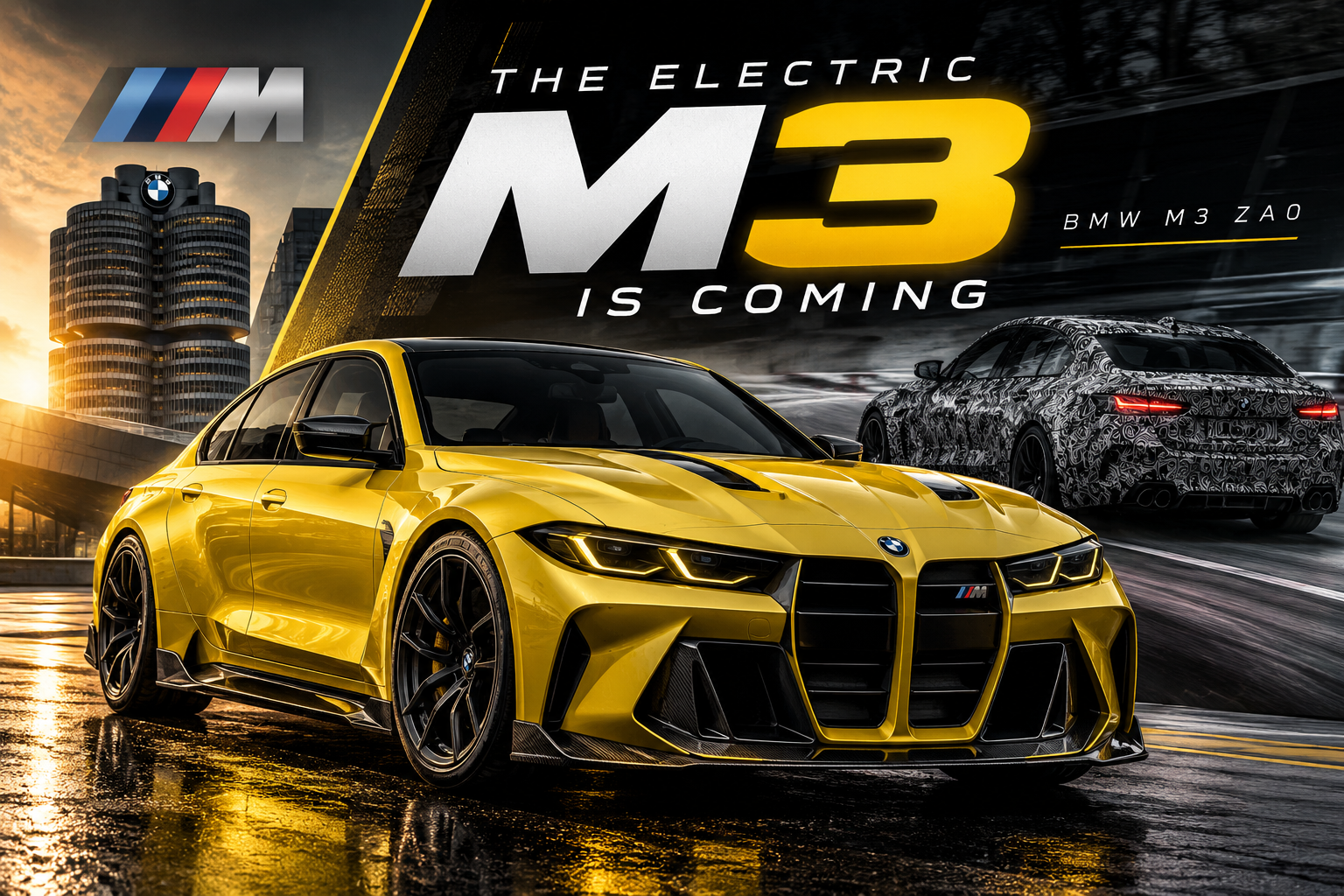
BMW M3 ZA0: Our Clearest Look Yet at the First Electric M3
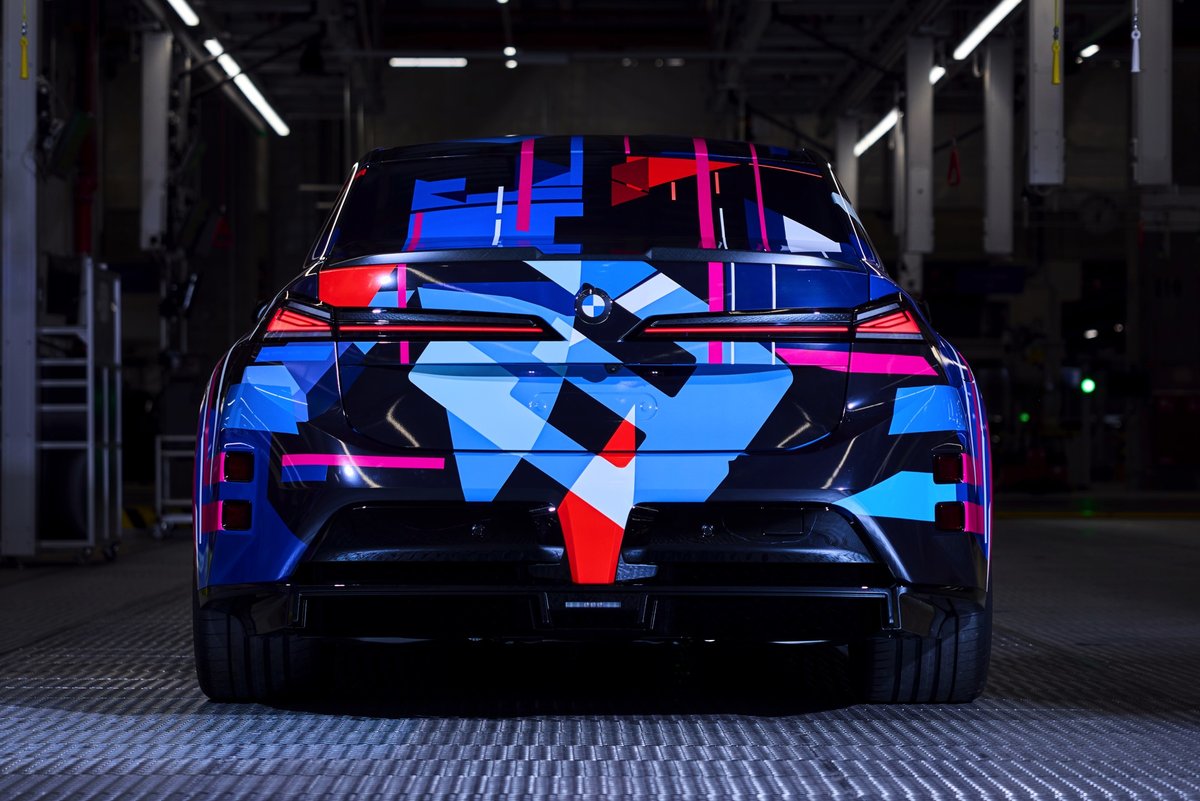
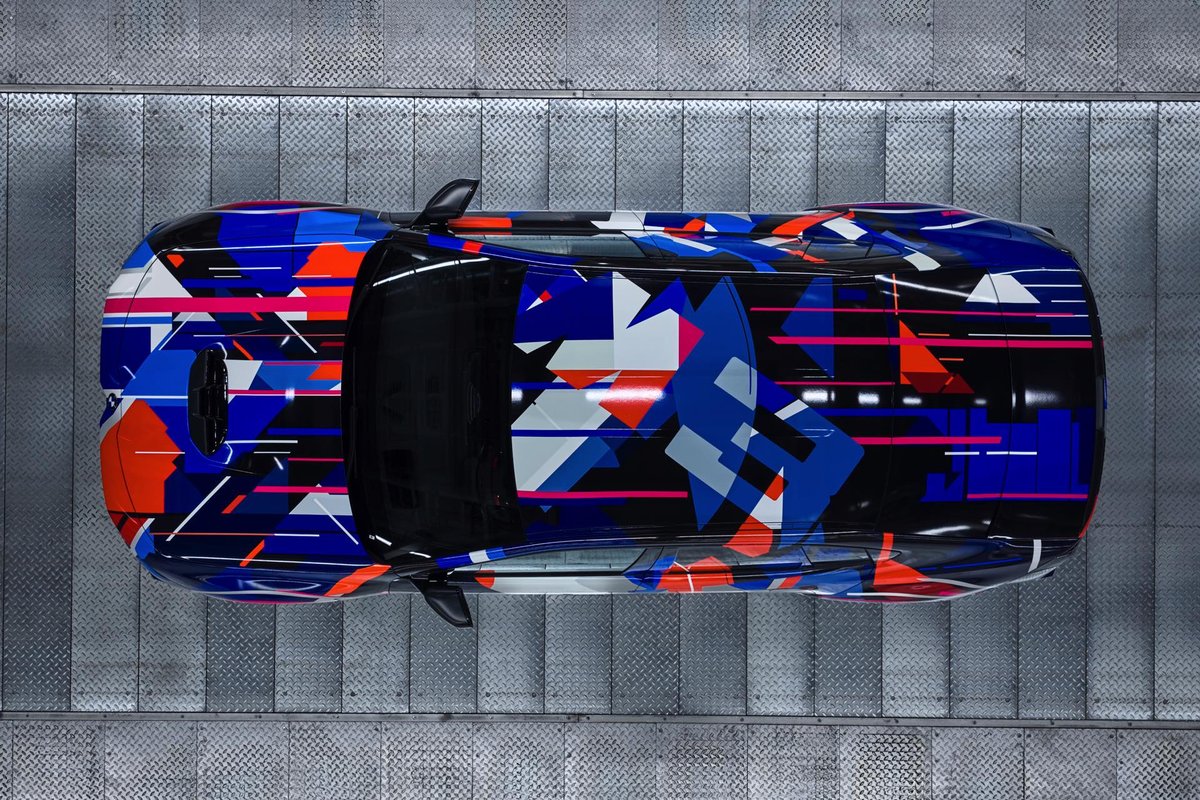
The future of the BMW M3 is becoming increasingly tangible. BMW has already officially confirmed the development of the first fully electric M3, while the latest prototype images give us one of the clearest ideas yet of what could become one of the most important cars in BMW M history.
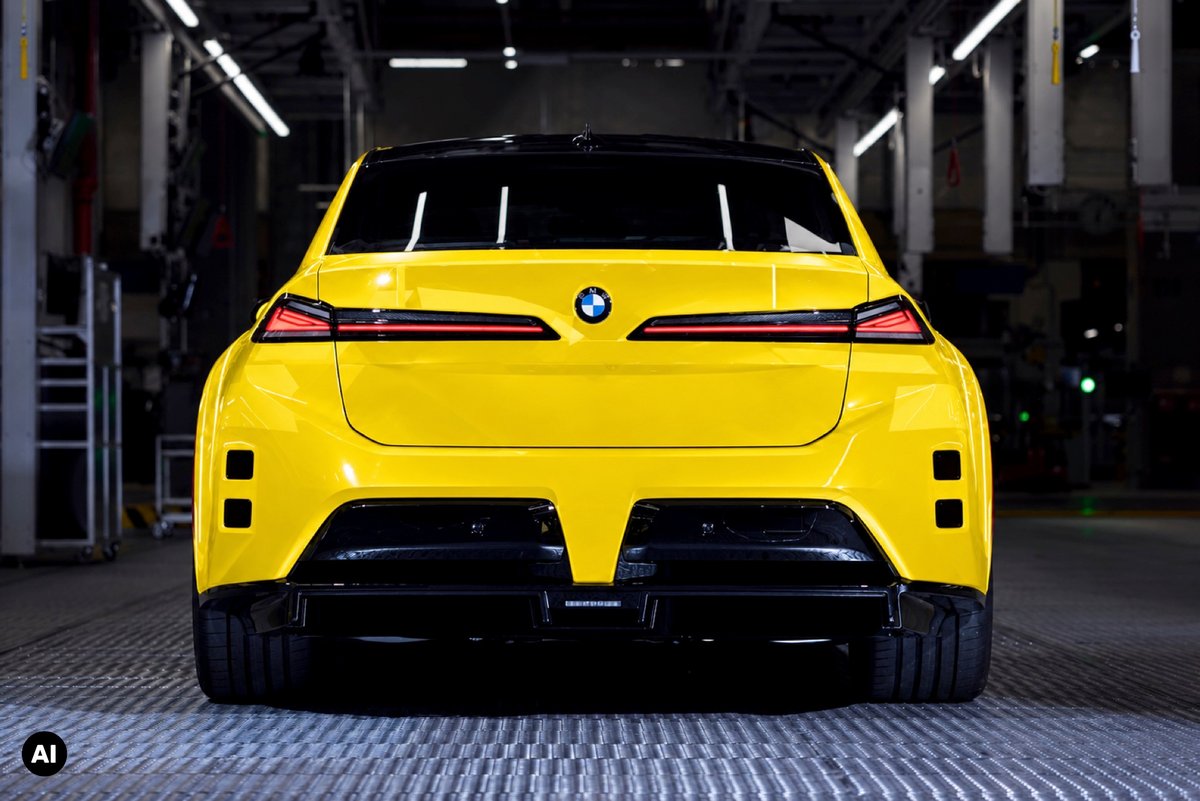
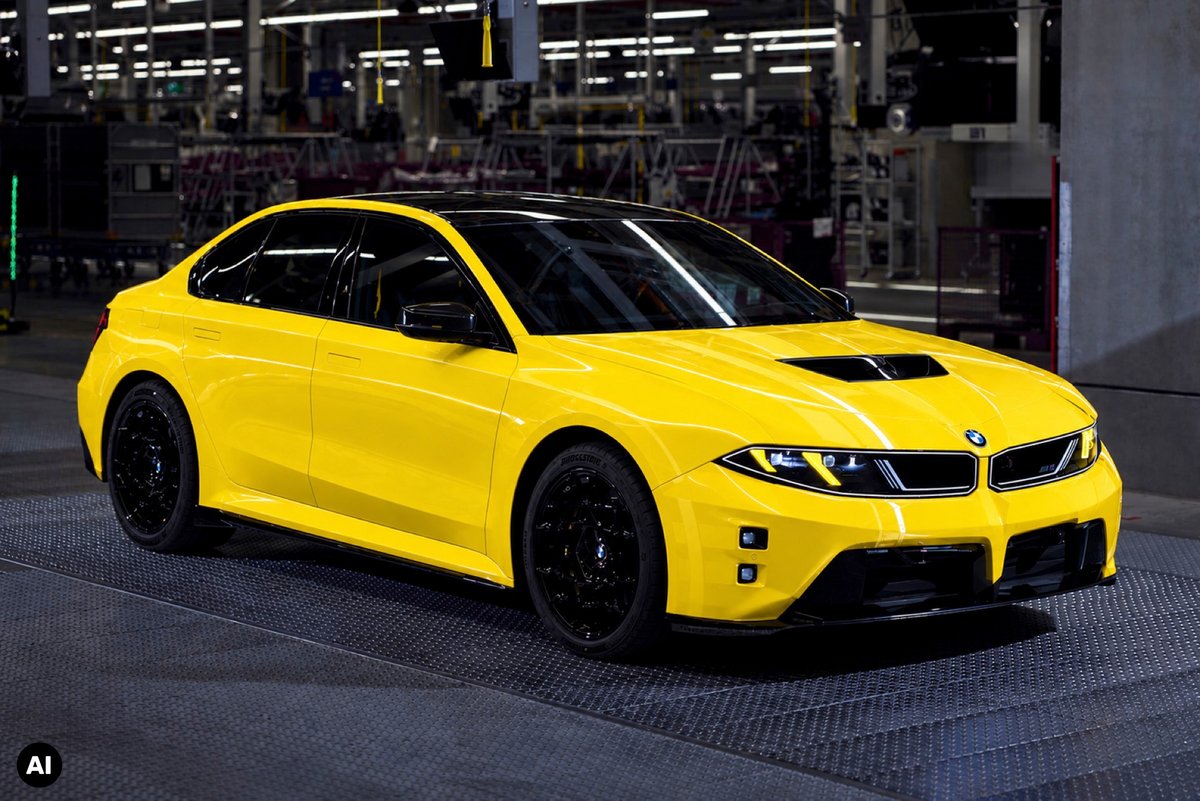
AI-generated images have also appeared online, digitally removing the prototype's camouflage and presenting the car in a striking Speed Yellow finish. They look remarkably convincing, but an important distinction needs to be made: these are not official images of the production BMW M3, nor do they confirm that the finished car will be offered in this exact configuration or color.
The real story behind the next M3 is actually more interesting than any AI rendering, because BMW has already revealed much of the technology underneath it.
The first fully electric BMW M3
BMW has officially confirmed that the upcoming fully electric M3 will become the first high-performance model based on BMW M Neue Klasse technology.
The car will be manufactured at BMW Group Plant Munich, the same facility that has produced the current-generation M3 since 2020.
It is a significant step for BMW. The M3 remains one of the defining cars of the M brand, but it is now preparing to enter an entirely new technological era.
The first BMW M models featuring Neue Klasse technology are scheduled to arrive from 2027.
Four electric motors — one for each wheel
One of the most important elements of the new platform is the BMW M eDrive system.
Rather than relying on a conventional single- or dual-motor layout, BMW M is developing a system using four electric motors, with an individual motor driving each wheel.
But enormous power figures are not the only objective.
Each motor can be controlled individually, allowing the vehicle to adjust the torque delivered to each wheel with exceptional speed and precision.
The system is coordinated by an M-specific version of BMW's Heart of Joy high-performance computer together with BMW M Dynamic Performance Control software.
This architecture allows the drivetrain and braking systems to work together, providing extremely precise torque distribution, strong energy recuperation, optimum traction and exceptionally direct responses.
In practical terms, the electric M3 will be able to actively manipulate the amount of torque reaching each of its four wheels — something that gives BMW M engineers an entirely new set of tools for controlling the car's behavior.
More than 100 kWh and an 800-volt architecture
BMW M has also confirmed important details about the battery.
The high-voltage battery will have an energy capacity of more than 100 kWh and will operate as part of an 800-volt electrical architecture.
BMW will use an M-specific, performance-optimized version of its sixth-generation cylindrical battery cells. Cooling and energy management are also being developed for the high continuous and peak power demands expected from a genuine M car.
That distinction matters.
An M3 needs to deliver performance repeatedly — including during demanding track driving — rather than producing an impressive peak output for only a few seconds.
The battery housing itself will also become a structural component of the vehicle. Its rigid connection to the front and rear axles is designed to increase overall stiffness and contribute directly to the car's handling.
What the prototypes already reveal
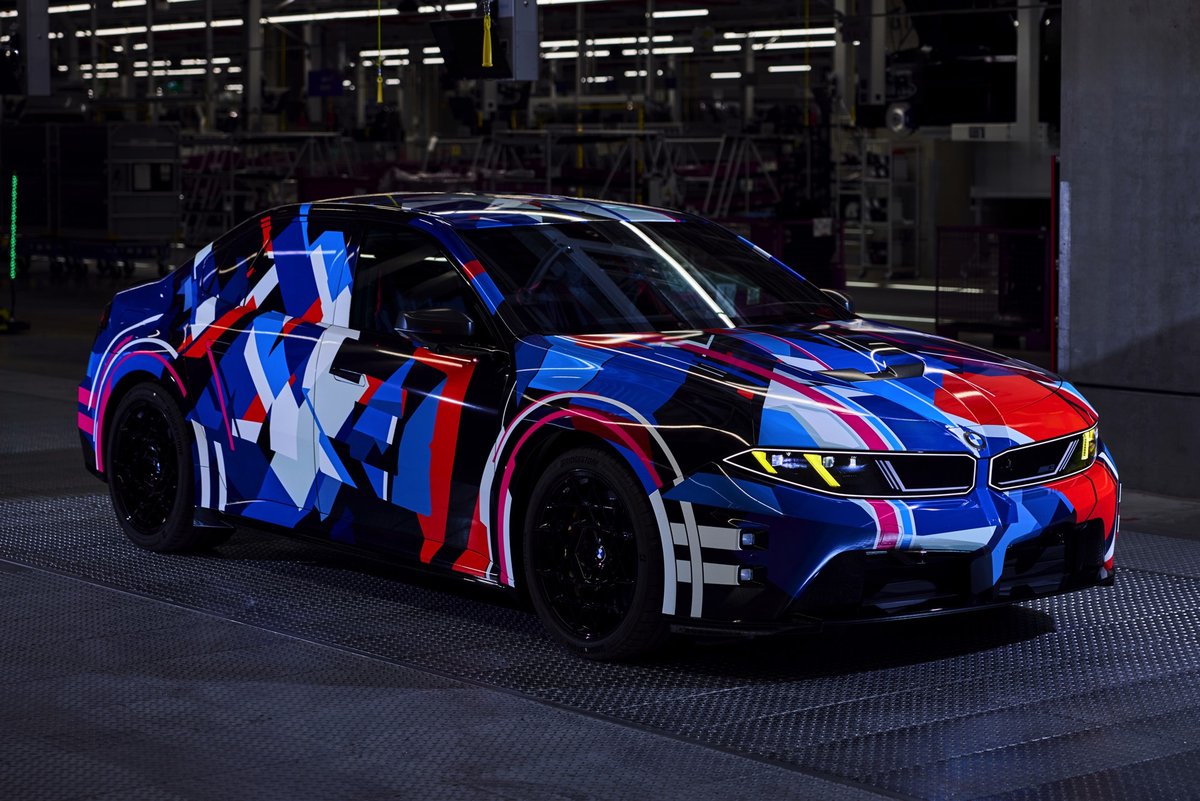
Even beneath the camouflage, the latest prototypes reveal several important design elements.
The car features significantly widened wheel arches, an aggressive front end with large lower air intakes and prominent ventilation openings in the hood. The prototypes also display distinctive lighting elements, including the yellow lights traditionally associated with BMW M models.
At the rear, a large diffuser immediately attracts attention. There are obviously no traditional quad exhaust outlets, but BMW appears determined to make the car look like a genuine M3 rather than simply a more powerful version of an electric sedan.
Several elements also reflect ideas first demonstrated by the BMW M Concept Neue Klasse, which previewed the design direction of BMW's future electric high-performance cars.
What about the Speed Yellow M3?
This is where some caution is necessary.
The striking images showing an apparently undisguised yellow M3 are digital interpretations of the camouflaged prototype. Artificial intelligence was used to remove the camouflage and visualize how the production car could potentially look.
They should therefore be viewed as sophisticated concept renders rather than leaked production images.
The real prototype already reveals enough of its proportions and major design elements to make such a reconstruction interesting, but smaller body details, bumper surfaces, graphics and colors may still differ when the production car is finally revealed.
BMW has not announced the power output
One of the biggest questions remains unanswered.
BMW M has not officially announced the production power output of the electric M3.
Its four-motor architecture clearly creates the potential for extraordinary performance, but specific horsepower figures circulating online should currently be treated as unofficial.
More importantly, BMW M has repeatedly made it clear that the project is about much more than straight-line acceleration.
The new architecture is being developed around handling precision, repeatable high-performance capability and genuine racetrack use.
The M3 is changing — not disappearing
Switching to electric propulsion will arguably represent the biggest philosophical change in the history of the BMW M3.
But the arrival of an electric M3 does not mean that internal-combustion M cars will immediately disappear. BMW is continuing to develop conventional performance models alongside its new electric M generation.
That makes the coming years particularly interesting for M enthusiasts.
BMW will effectively be able to explore two interpretations of the M3 philosophy: one retaining the character and mechanical experience of an internal-combustion powertrain, and another using four electric motors, extremely fast electronics and individual wheel control to explore an entirely different type of performance.
A new chapter for the BMW M3
BMW is still keeping the final production design under wraps, but the technical direction is already remarkably clear.
Four electric motors, individual wheel control, a battery exceeding 100 kWh, an 800-volt architecture and an M-specific implementation of the Heart of Joy make the upcoming M3 far more ambitious than a simple electric replacement for today's car.
The biggest question is no longer whether the electric M3 will be fast. There is little reason to doubt that.
The more interesting question is whether BMW M can transfer the driving experience that made the M3 name legendary into a completely different technological era.
We should begin finding out in 2027.