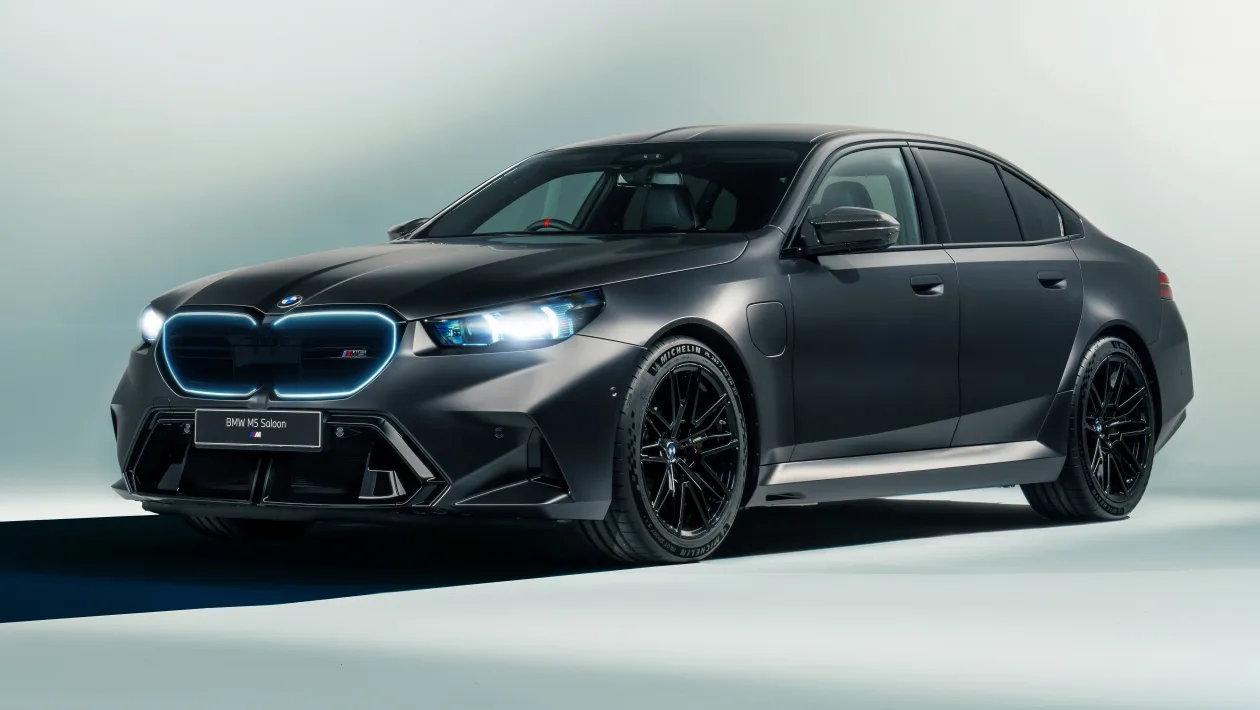
BMW M5 and XM vs Euro 7: How the Bavarians Saved the V8 Without Losing Power
The European Union is introducing strict Euro 7 emission standards from 2027. It looked like the end for big V8 engines in high-performance BMWs. But M Division engineers refused to give up — they found a clever solution. From spring 2026, the BMW M5 and XM have become cleaner, smarter, and just as fast. Here’s exactly how they did it, based on the official BMW Group PressClub release.
What Changed in the BMW M5 and XM Engines?
Starting March 2026 for the European market, BMW updated the M Hybrid system on the M5 (G90/G99) and XM Label models.
The key change concerns the iconic 4.4-litre twin-turbo V8 S68:
- Before: 430 kW / 585 PS
- Now: 400 kW / 544 PS
A loss of around 41 horsepower. For fans of raw power, this sounded dramatic. But that’s only half the story.
BMW introduced the Miller cycle, optimised engine management, and an improved exhaust after-treatment system. As a result, the engine became more efficient, emits less CO₂, and meets future Euro 7 requirements.
How Did BMW Recover the Lost Power?
The Bavarians did what they do best — they outsmarted the regulations.
The electric motor hardware remained unchanged, but its control software was completely rewritten. The electric drive now takes on slightly more load during hard acceleration. Consequently, the total system output stayed exactly the same:
- BMW M5 — 535 kW / 727 PS (≈ 717 hp)
- BMW XM Label — 550 kW / 748 PS (≈ 738 hp) — the most powerful production BMW M ever
The official BMW press release states: “The perfect interaction between combustion engine and electric motor ensures dynamic performance at the highest level with no compromises.”
When and Where Do the Changes Apply?
- BMW M5 (sedan and Touring) — from March 2026
- BMW XM Label — from April 2026
The updates are mandatory only in EU countries, the UK, and markets following Euro 7 standards. In the USA, Canada, Australia and other regions, the V8 continues with full 585 PS output. American customers will enjoy a slightly louder and more aggressive engine character.
What Will the Average Owner Notice?
Almost nothing negative.
- 0–100 km/h acceleration for the M5 remains 3.5 seconds
- Top speed is unchanged (250 km/h or 305 km/h with M Driver’s Package)
- Fuel consumption and CO₂ emissions are slightly lower
- Exhaust sound is a bit quieter and more refined — which is actually pleasant for daily driving
Hardcore V8 fans might miss the old roar, but BMW makes it clear: this is the price of keeping the big eight-cylinder alive in the age of electrification and Neue Klasse.
Why This Is a Big Win for BMW
While many brands are either going fully electric or sacrificing performance, BMW M has preserved the soul of its cars. They didn’t just comply with Euro 7 — they did it with typical Bavarian engineering elegance.
This is a masterclass in combining power, emotion, and environmental responsibility.
Conclusion
Euro 7 is not the death of big engines — it’s a new challenge that BMW has met head-on. The M5 and XM are now even more advanced, while the driving pleasure remains at the same thrilling level.
If you dream of one of the last true V8-powered M cars, now is the time. The Bavarians have once again proven that they can keep the fun alive even under the strictest rules.