Figure 03 Starts Work at BMW: The New Humanoid Robot Joins Production in Spartanburg
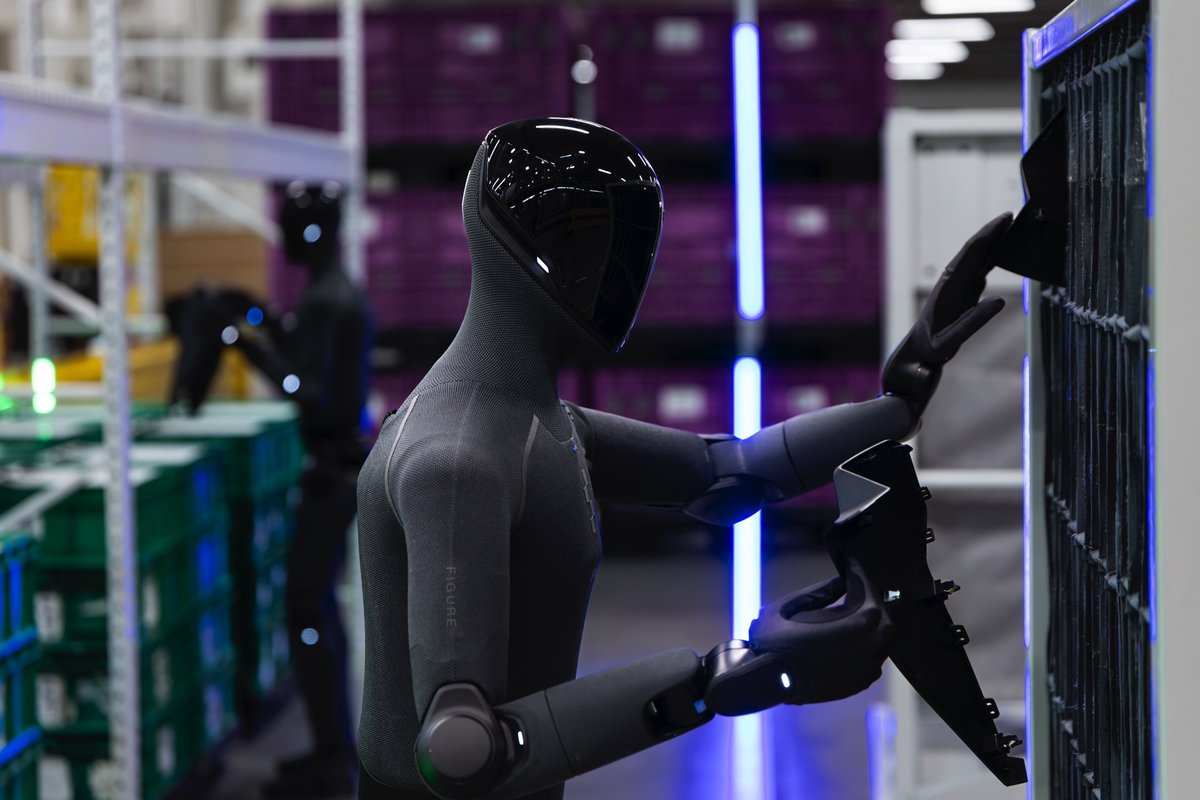
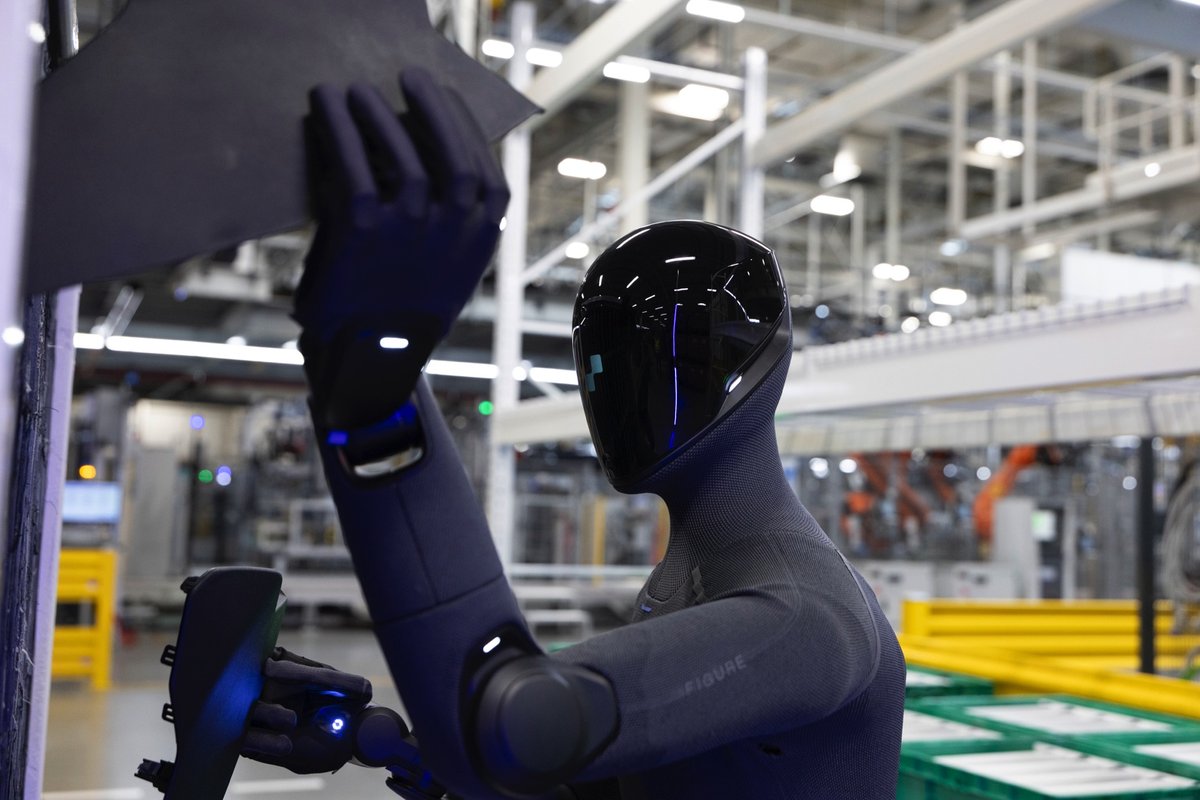
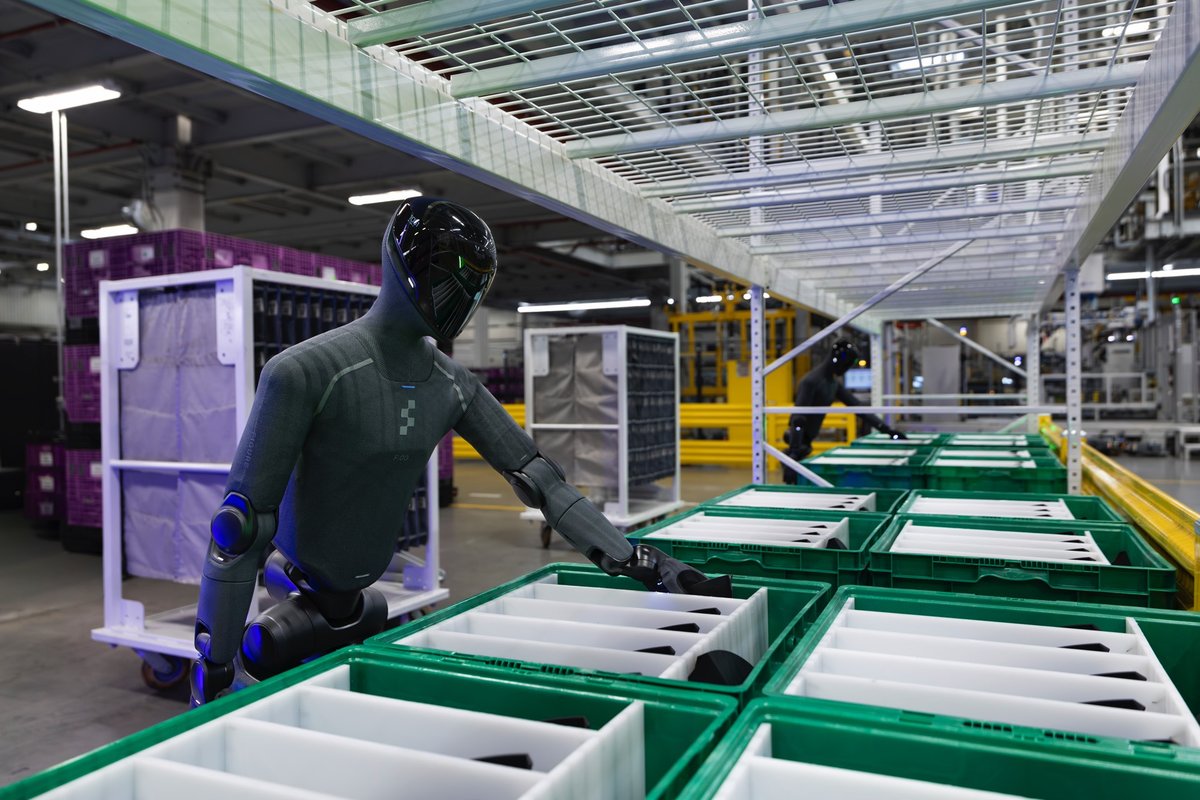
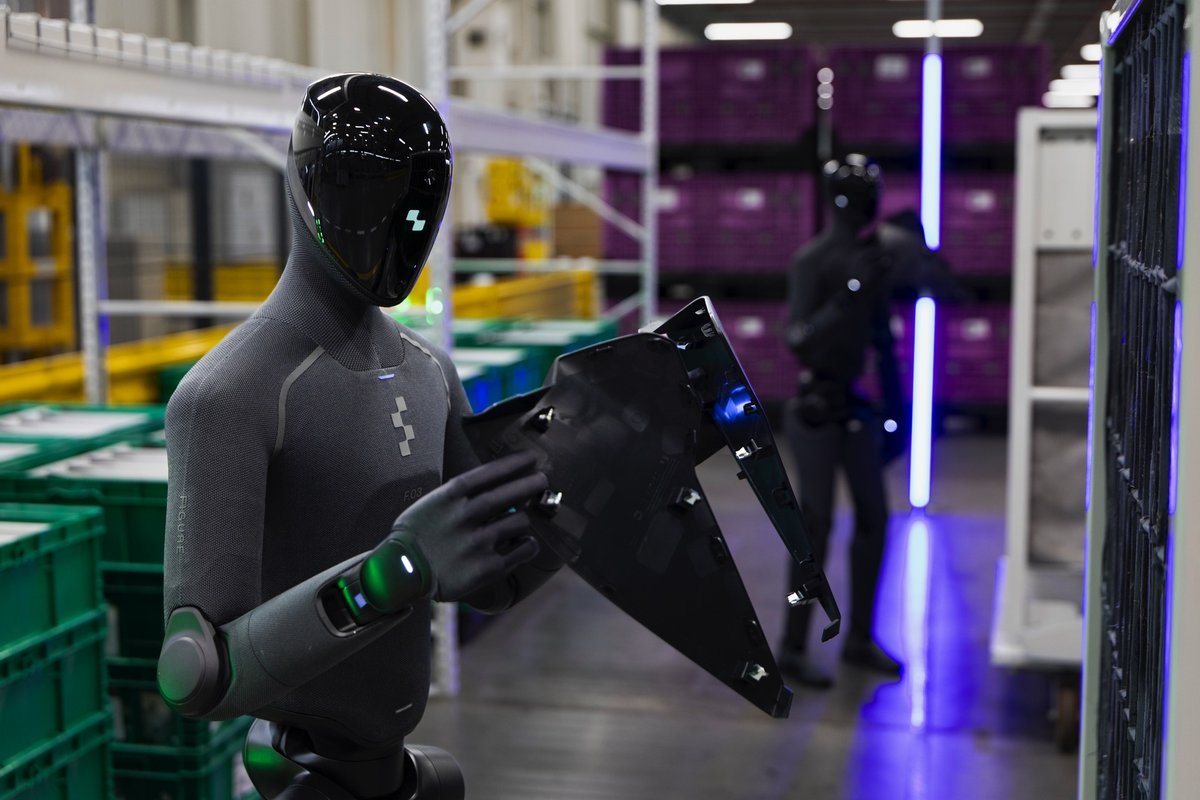
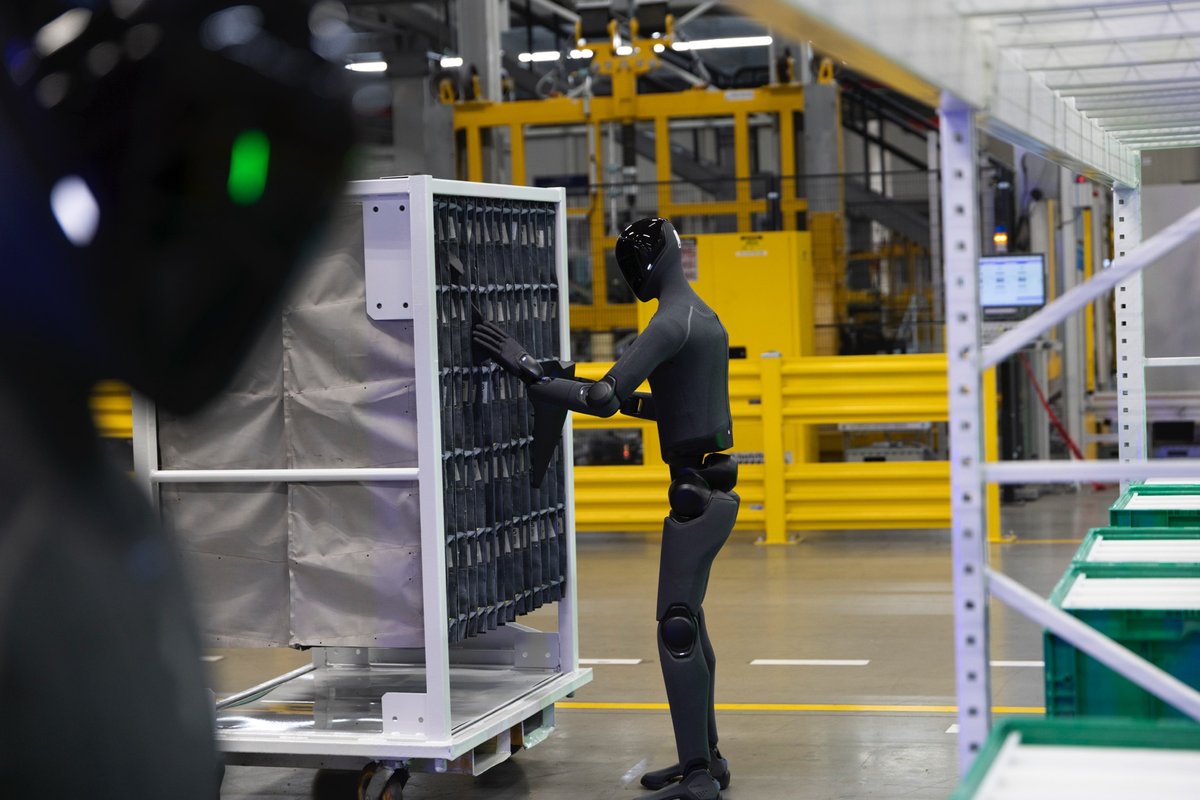
Figure 03 Starts Work at BMW: The New Humanoid Robot Joins Production in Spartanburg
BMW has a new employee who never calls in sick, never asks for vacation, and probably doesn't mind working the night shift.
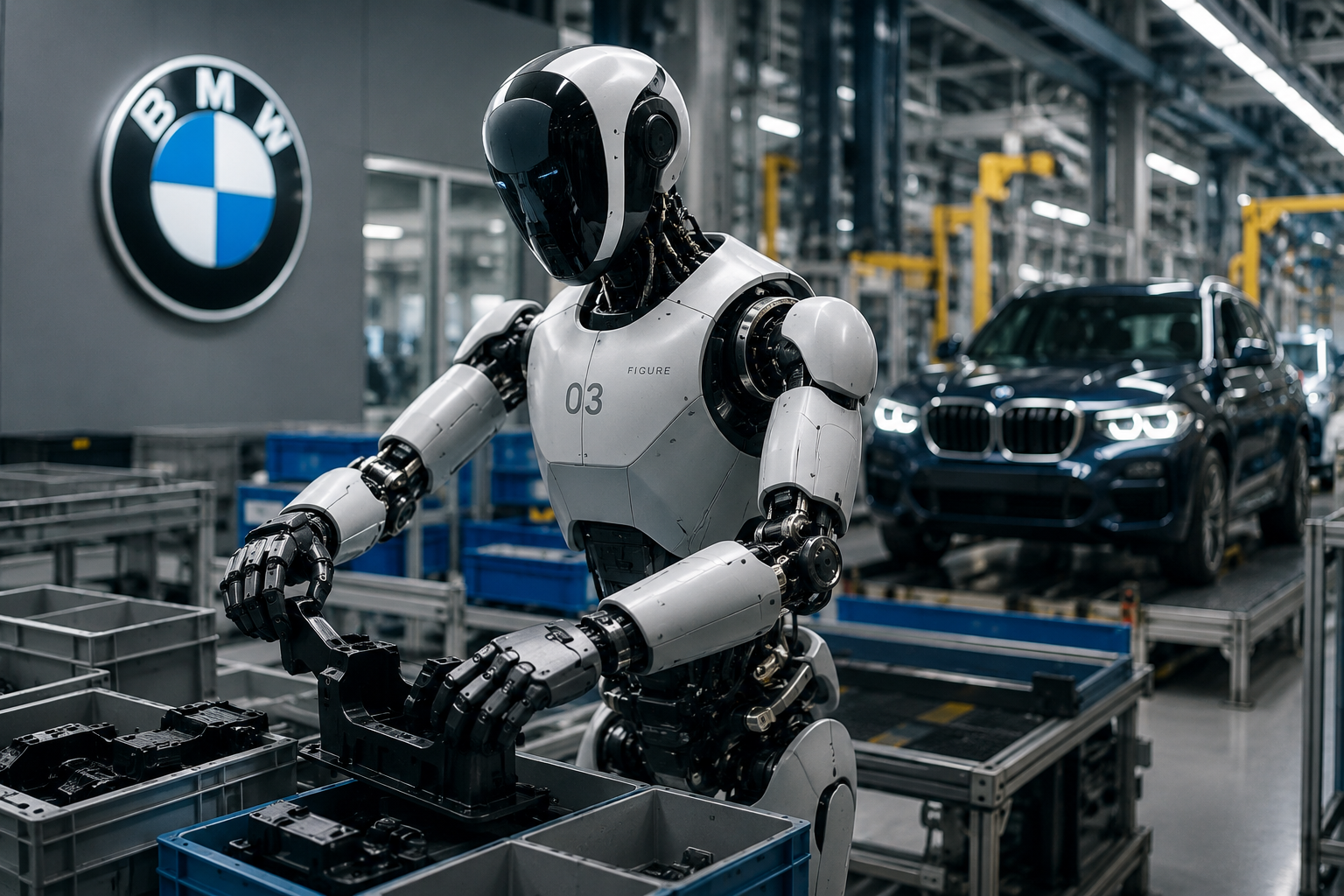
The BMW Group has officially deployed the new Figure 03 humanoid robot at its Spartanburg plant in South Carolina, marking the next step in bringing human-shaped robots from experimental projects into real automotive production.
From Body Shop to Logistics
Its predecessor, Figure 02, spent nearly a year working in the body shop, assisting with sheet-metal insertion before welding. During that pilot, the plant produced more than 30,000 BMW X3 vehicles while engineers gathered valuable operational data to improve the technology.
Now it's Figure 03's turn.
Instead of welding operations, the new robot focuses on logistics. It sorts and sequences components before they reach the assembly line, ensuring that the right parts arrive at the right workstation in the correct order—a repetitive task that happens to be ideal for a humanoid robot.
Why a Humanoid?
Modern automotive factories were designed around humans. Walkways, shelves, tools and workstations all assume a human-sized worker.
Rather than redesigning entire production facilities, BMW is developing robots capable of fitting into existing environments. Figure 03 can move through the same spaces, interact with current workstations and perform tasks alongside human employees without major changes to the factory layout.
Working With People, Not Replacing Them
BMW emphasizes that the goal is not to replace employees but to automate physically demanding, repetitive and ergonomically challenging tasks.
Human workers continue to handle operations requiring judgment, experience and quality control, while robots take over routine logistics work.
Part of BMW's Physical AI Vision
The deployment is another milestone in BMW's Physical AI strategy, combining artificial intelligence with robots capable of performing real-world physical tasks.
At the same time, the company continues to expand digital twins, AI-driven manufacturing and virtualization technologies through its BMW iFACTORY production strategy.
Looking Ahead
For now, Figure 03 is handling logistics, but this is only the beginning. Each new generation of humanoid robots becomes faster, smarter and more capable of operating in complex manufacturing environments.
There's a good chance we'll see many more robotic coworkers on BMW production lines in the years ahead. Hopefully, they won't be first in line at the coffee machine.